
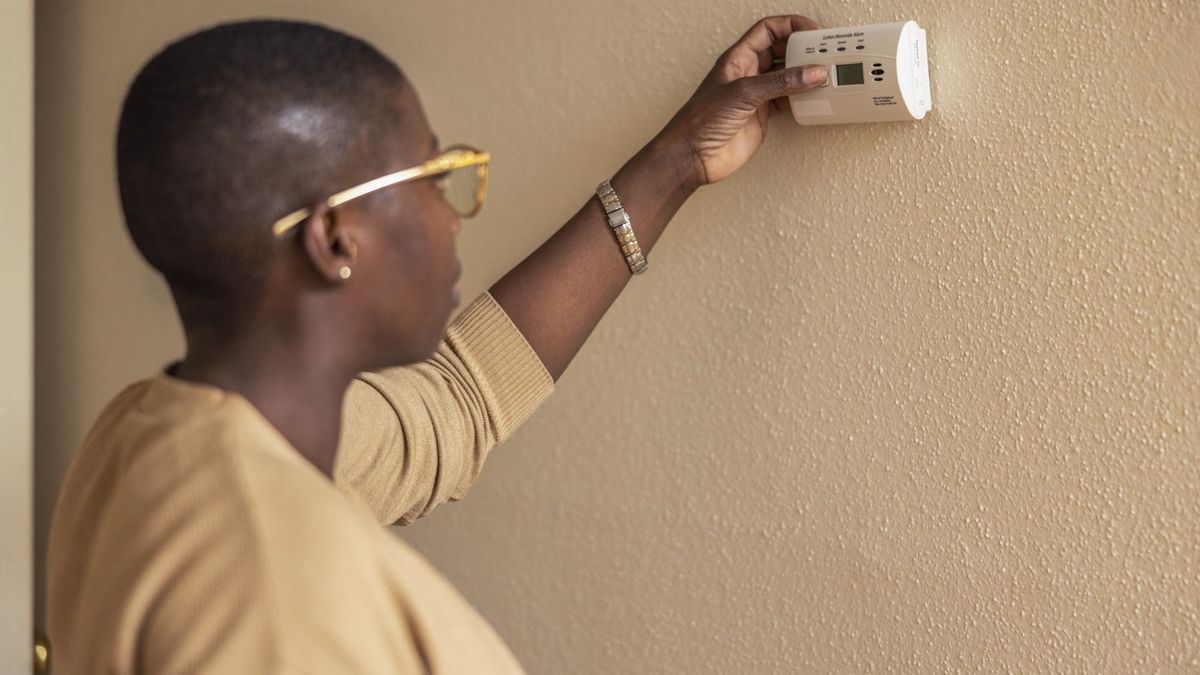
What should I do during an ice storm outage?
Stay off the roads if you can, and stay warm in one room with layers and blankets. If you need a kit already packed, see our winter storm outage kit. If you use a generator, keep it outdoors and at least 20 feet from doors, windows and vents; see how far a generator should be from the house (Ready.gov, CPSC, CDC).
Power out right now? Start here.Buying before the first ice storm? See the winter storm power outage kit.
Quick answers
- How do I stay warm? Loose layers, a hat, warm socks, blankets and one closed-off room (FEMA, Ready.gov, Oregon State Extension).
- In a winter outage? One room, drafts blocked, windows covered at night, warm food and drinks, and a warming center if it gets too cold (Ready.gov, CDC).
- Heat the whole house? Usually you can't. Keep one room warm with blankets on windows, rugs on floors and towels in gaps (Oregon State Extension).
- How to prepare? Battery or battery backup CO and smoke alarms, blankets, sleeping bags, flashlights, a NOAA weather radio and food that needs no cooking (CPSC, CDC, NWS). Our winter storm power outage kit walks through what to have on hand.
- Gas stove or oven for heat? No. It raises the risk of carbon monoxide poisoning and fire (Ready.gov, FEMA, NFPA).
- Propane or kerosene heater indoors? Official sources disagree, and some places ban them. Only a model made for indoor use, with fresh air, and never while you sleep (CPSC, Oregon State Extension, CDC).
- When to go to a warming center? When you can't keep your home warm. Call 211 and ask about pets first (Ready.gov).
- In an apartment? Layers, one room, blocked drafts. Most cities bar gas heaters in apartments, the heater maker Mr. Heater says, so plan on a warming center.
Doom Signals earns from qualifying Amazon purchases.
Midland WR120B NOAA weather radio
Midland says the WR120B receives NOAA and all-hazard alerts and switches to AA batteries when the power goes out.
Keep your body warm first
Several thin layers hold heat better than one thick coat. The U.S. Army's cold weather handbook, TC 21-3 (September 2025), says "Several layers of clothing provide more insulation and movement than one heavy garment, even if the heavy garment is as thick as the combined layers," because the air trapped between layers insulates. It sums up how to dress with the letters C-O-L-D: keep it clean, avoid overheating, wear it loose and keep it dry. "Wet clothing conducts heat away from the body faster than dry clothing," the handbook adds. In a cold house that means changing out of damp socks or a sweaty shirt right away and taking off a layer before you start to sweat.
FEMA gives the same order for a power outage: "Start with a base layer, add insulation like fleece, and finish with a windproof outer layer. Wear a hat, gloves and warm socks." The CDC says wool, silk or polypropylene "will hold more body heat than cotton" in the layer next to your skin. FEMA says gloves, while the CDC and the National Weather Service both say mittens are warmer than gloves, so pick mittens if you have them. Ready.gov's Stay Safe and Warm Toolkit, published by FEMA in January 2026, puts it simply: "A hat will keep your entire body warmer."
Blankets and sleeping bags count as heat. FEMA says to use several blankets, "tucking them in to trap heat," and Oregon State University Extension says to keep warm blankets and sleeping bags on hand.
Eat and drink something warm, and skip alcohol. The CDC says well balanced meals help you stay warmer, and to drink warm, sweet drinks or broth. It says not to drink alcoholic or caffeinated drinks, because "they cause your body to lose heat faster." The National Weather Service adds that alcohol reduces shivering, which is one of the ways your body warms itself.
Make one room your warm room
You probably can't keep a whole house warm without power, so pick one room and put your effort there. University of Georgia Extension says to bring the family into one room, "preferably one with a fireplace or woodstove, and close the doors to the other rooms."
Oregon State University Extension's guide for living without power, EM 9278 (2020, reviewed 2024), lists the steps:
- Close off unused rooms to shrink the space you have to keep warm.
- Put blankets or cardboard on windows, or close blinds or drapes.
- Stuff towels or small blankets into windowsills, door gaps and anywhere cold air leaks in.
- Lay rugs, heavy blankets or cardboard on the floor for another layer.
- On sunny days, let the sunshine in.
Ready.gov's toolkit adds two details. Close the vents and doors in rooms you're not using, and put a rolled towel at the bottom of the doors. Open blinds or curtains during the day to let in the sun's heat, and close them at night. The CDC says the same, and adds to cover windows with blankets at night and avoid opening outside doors more than you need to.
Heat sources that are safe, and ones that never are
Carbon monoxide runs through every official winter outage warning. The CDC calls it "an odorless, colorless gas that kills without warning," and says that each year more than 400 Americans die from carbon monoxide poisoning not linked to fires. The CPSC says any heating system that burns fuel can produce it.
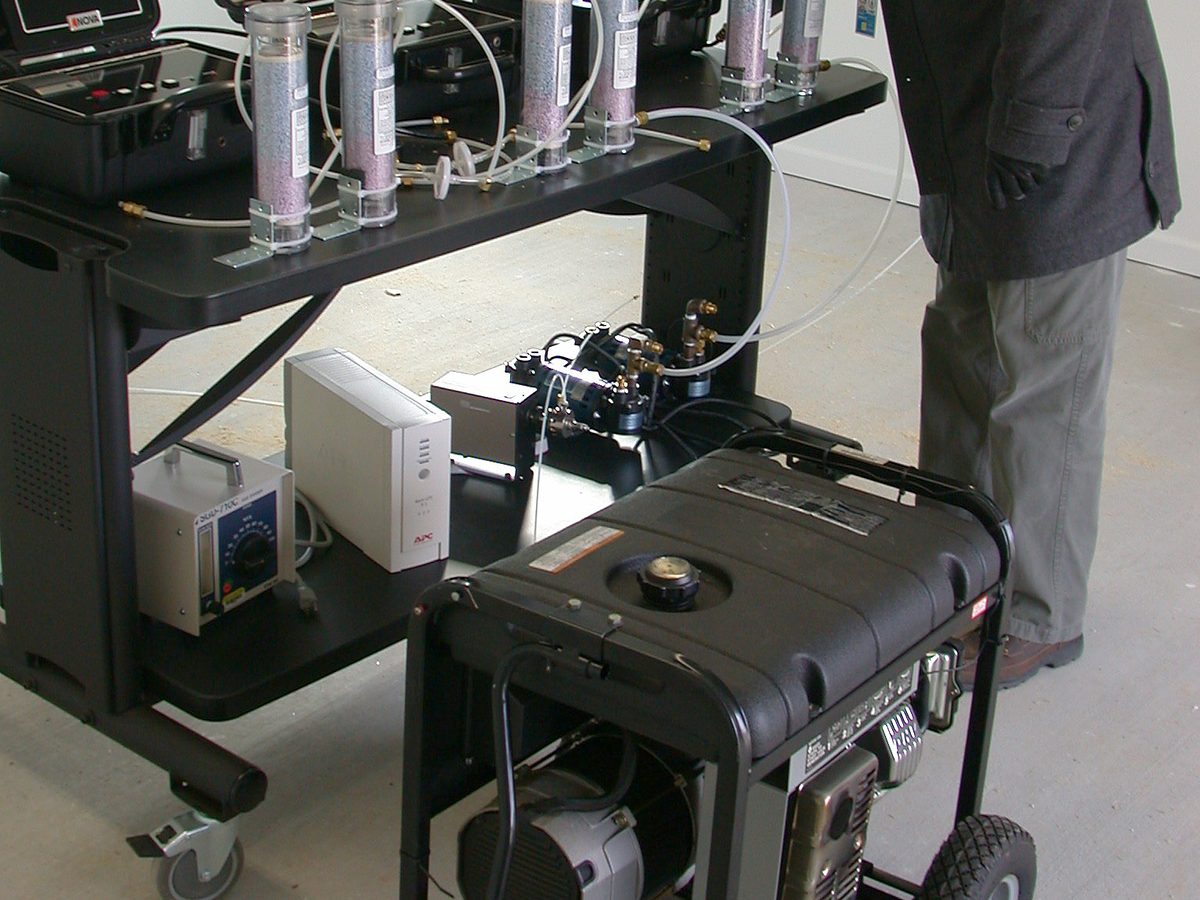
Never use these to heat your home. Every official source we checked agrees on this list.
- Gas stove or oven: Ready.gov says heating with a gas stove or oven "increases your risk of carbon monoxide poisoning" and can also cause fires and burns and damage the appliance. FEMA gives fire as its reason, and the NFPA (National Fire Protection Association) says, "Never use your oven to heat your home."
- Grills and charcoal: FEMA says not to use a grill, camp stove or other gasoline, propane, natural gas or charcoal burning device "inside a home, garage, basement, crawlspace or any partially enclosed area." The CDC says never burn charcoal indoors.
- Camp stoves: "Never use a portable gas camp stove indoors," the CDC says.
- Generators: The CPSC says never to use one "inside a home, basement, shed or garage," and to run it outdoors only, at least 20 feet from the home. Our generator distance guide covers how far, and why some research says farther.
Fireplaces and woodstoves are on the CDC's list of backup heat, as long as the fireplace is up to code and vented to the outside. Ready.gov's toolkit says to make sure the flue is open so smoke can leave the chimney and to reduce the risk of carbon monoxide. The CPSC says to open the damper before lighting a fire and keep it open until the ashes are cool, "especially at night while families sleep." Oregon State Extension says to burn seasoned firewood only, because green wood builds up creosote, the source of many chimney fires, and never to start a fire with gasoline, kerosene or diesel. The NFPA says to use a sturdy screen, let ashes cool before putting them in a metal container and keep that container away from the house. The CDC says not to burn paper in a fireplace. The CPSC and NFPA both say to have chimneys inspected every year, so if yours hasn't been checked, think twice before a long burn.
Electric space heaters only help if you have power, from a generator or a power station. A typical space heater draws too much for a battery station; our power station size calculator flags that load and leaves it out of the recommendation. The CPSC, the NFPA, the CDC and the Ready.gov toolkit agree on these rules:
- Keep the heater at least 3 feet from drapes, furniture, bedding and anything else that can burn (CPSC, NFPA, CDC).
- Plug it straight into a wall outlet. The CPSC says "never into an extension cord or power strip." The CDC says to "avoid using extension cords."
- Don't use a heater with a damaged cord or one that sparks (CDC, Ready.gov toolkit).
- Pick one with an automatic shut-off and a non-glowing element, the CDC and University of Minnesota Extension say.
- Turn it off before you sleep. The CPSC says "Turn off heaters when sleeping." The NFPA says to turn portable heaters off "when leaving the room or going to bed."
Running an electric heater from a generator puts two rules side by side. The CPSC says to plug a space heater straight into the wall, never into an extension cord. The CDC says appliances on a generator should run on "individual heavy-duty, outdoor-rated extension cords," and Oregon State Extension says to plug appliances directly into the generator or use a heavy-duty outdoor cord rated at least equal to the total load. Plugging the heater straight into the generator, the first option Oregon State gives, is the one way that fits both rules. Either way, check the heater's watts against the generator's running watts. Our power station vs generator article covers what each can run.
Fuel-burning space heaters, the kerosene and propane kind, are where official advice splits. Each source is listed in its own words, because they don't agree.
- American Red Cross: "Never use a generator, outdoor stoves or heaters indoors."
- FEMA: do not use "gasoline, propane, natural gas or charcoal burning devices inside a home." The same FEMA page also says, "If safe, use fireplaces or portable heaters."
- CDC: lists "portable space heaters or kerosene heaters" among heat sources to have ready, and says to check with your local fire department that kerosene heaters are legal where you live. It says, "Make sure you have proper ventilation if you must use a kerosene heater," and to use only the fuel the heater is designed for.
- CPSC, carbon monoxide safety blog (2017): "Make sure portable fuel burning space heaters have an oxygen depletion sensor (ODS)," and "Never use kerosene space heaters in enclosed spaces; always properly ventilate."
- CPSC, kerosene heater safety alert: use only water-clear 1-K kerosene, never gasoline, and never refuel inside. Run the heater in a room with a door open to the rest of the house, and open an outside window about one inch if the door must be closed or your home is tight or winterized.
- CPSC, portable heaters and camping equipment: "Never use fuel-burning portable heaters or lanterns while sleeping in enclosed areas such as tents, campers and vehicles."
- CPSC, January 2026 winter release: for fuel-burning portable heaters, "never refuel when in use. Turn the heater off and let it cool before refueling."
- Oregon State University Extension: "Only use space heaters manufactured for indoor use. Kerosene, oil and propane space heaters require fresh air to prevent carbon monoxide buildup." Never leave them on unattended or while you sleep.
- Mr. Heater (a propane heater maker): some of its heaters, including its Buddy line, are marked indoor safe for homes "if your county/city/state allows," and owners should follow the manual on ventilation. It says Massachusetts does not allow propane heaters indoors, California allows the Buddy series indoors except in dwellings, and "Most cities do not allow the use of gas heaters in high rise buildings or apartments."
Taken together, the Red Cross says no, FEMA's own page says both no and "if safe," and the CPSC, CDC and Oregon State allow an indoor-rated heater only with fresh air, the right fuel and never while you sleep. If you already own one, check your state and city rules and your heater's manual before you light it, run a battery CO alarm in the same part of the house, and turn it off when you go to bed.
If your area allows an indoor-rated model, those same rules still apply: fresh air, the right fuel, a battery carbon monoxide alarm in the room, and the heater off when you sleep. The top pick on our indoor-safe heater list is one Mr. Heater marks indoor-safe.
Doom Signals earns from qualifying Amazon purchases.
Mr. Heater Portable Buddy Midnight
Mr. Heater states the MH9BX Portable Buddy Midnight is indoor-safe, with two heat settings, tip-over shutoff, and an oxygen depletion sensor. Check your state and city rules before you use it. Keep it at least 3 feet from anything that can burn, run a battery carbon monoxide alarm in the same room, and turn it off when you sleep.
Carbon monoxide alarms and warning signs
A CO alarm that runs on a battery, or has a battery backup, is the one piece of gear that matters most in a winter outage. The CPSC says alarms should be battery operated or have battery backup "in case of a power outage," because a plug-in alarm without one goes quiet when the power does.
Where to put them and how often to test differ a little by source:
- CPSC, January 2026: CO alarms "on every level of the home and outside sleeping areas," battery operated or with battery backup, tested every month, with batteries replaced at least once a year or sealed 10-year batteries.
- CDC: battery operated or battery backup CO detectors "near every sleeping area in your home." Check the batteries when you change your clocks each spring and fall, and replace the detector following the maker's instructions "or every 5 years."
- Ready.gov: CO detectors with battery backup "in central locations on every level of your home."
- American Red Cross: one carbon monoxide detector on each level of your home.
Know the signs. The CPSC lists "headache, dizziness, weakness, nausea, vomiting, sleepiness, and confusion." The CDC lists headache, dizziness, weakness, upset stomach, vomiting, chest pain and confusion, and says the symptoms are often described as flu-like. The CDC also warns that "People who are sleeping, drunk, or under the influence of other substances can die from CO poisoning before they have symptoms," which is why an alarm matters more at night than any symptom list. If you suspect carbon monoxide, the CPSC says, "get outside to fresh air immediately, and then call 911."
If your CO alarm is beeping during an outage, the sound can mean a low battery, the end of the alarm's life or carbon monoxide, and the patterns differ by brand and model. Your alarm's manual says which is which. If you aren't sure what you're hearing, treat it as an alarm: get everyone outside to fresh air, call 911, and check the manual once you're safe.
Doom Signals earns from qualifying Amazon purchases.
Kidde COPD plug-in CO alarm with battery backup
Kidde's product data sheet says this alarm shall at a minimum meet the requirements of UL 2034, and lists a 120-volt plug-in design with two AA backup batteries. Kidde's product page says the backup batteries "ensure your alarm keeps working when the power goes out." Kidde lists an operating range of 40°F to 100°F, one more reason to put it in the room you're keeping warm.
Babies, older adults and pets
Babies lose heat fast. The CDC says "Infants less than one year old should never sleep in a cold room because they lose body heat more easily than adults." It says to remove pillows and soft bedding, which raise the risk of smothering and sudden infant death syndrome, and to dress babies in footed pajamas, one-piece wearable blankets or sleep sacks. If you can't keep your home warm, the CDC says to make temporary arrangements to stay somewhere else. In an emergency you can warm a baby with your own body heat, but if you must sleep, take care not to roll onto the baby.
Older adults often make less body heat, the CDC says, and anyone over 65 should check the temperature in the home often during extreme cold. Check on older neighbors, too.
Watch everyone for hypothermia. The CDC lists the warning signs in adults as shivering, exhaustion or feeling very tired, confusion, fumbling hands, memory loss, slurred speech and drowsiness. In babies the signs are bright red, cold skin and very low energy. The CDC and Ready.gov both say a body temperature below 95°F is an emergency, so get medical help right away. Ready.gov says to move the person to a warm room and warm the center of the body first: chest, neck, head and groin.
Pets need a plan too. Ready.gov's toolkit says community warming centers may not allow pets, so call ahead before you leave home with them, and your local humane society may have resources.
If you live in an apartment
Most apartments have no fireplace, and fuel-burning heaters are often off the table. Mr. Heater's own page says, "Most cities do not allow the use of gas heaters in high rise buildings or apartments." So the plan is the same as everywhere else, with less room for backup heat. Layer up, pick one room, block drafts at doors and windows, cover the windows at night and keep a warming center in mind from the start. An electric heater only helps if you have a power source, Oregon State Extension notes.
Keep your pipes from freezing
Frozen pipes can burst, and in a long outage the heat that protects them is gone. The CDC says to leave taps slightly open "so they drip continuously" when you expect freezing temperatures and to open the cabinet doors under kitchen and bathroom sinks so warmer air can reach the pipes. The American Red Cross says to let cold water drip from faucets served by exposed pipes, because running water "even at a trickle" helps keep them from freezing. University of Minnesota Extension says to drain and shut off pipes you rarely use in winter, "especially those that lead outside."
If a pipe does freeze, use gentle heat. The CDC, the Red Cross and Michigan's state emergency page all say to use the warm air from a hair dryer and never a torch or other open flame. The Red Cross also rules out kerosene or propane heaters and charcoal stoves for thawing pipes. If you can't thaw it or find it, call a licensed plumber.
Michigan's state page also says to fill your bathtub and spare containers with water if your supply could be cut, such as a home on a well pump, and to use the tub water for sanitation only, not drinking. Our water storage guide covers how much to keep and how to store it. And don't put food outside in the snow to keep it cold. Our fridge food guide explains why and what to do instead.
When to leave
If you can't keep your home warm, leave for somewhere that is. Ready.gov's toolkit says to go to a community warming center, and to check your local emergency management website or call 211 to find one. The American Red Cross says to evacuate if your home is too cold or if you have medical devices that need power, and notes that communities often open warming centers and charging stations. Ready.gov says to go to a community location with power if the cold is extreme.
Look up your nearest warming center now, before the storm, Ready.gov's toolkit says, and make sure you know how to get there. The toolkit says to go only if it's safe to travel, and to stay off the roads if local officials ask you to.
Gear that helps
What to look for: a carbon monoxide alarm listed to UL 2034 with a battery or battery backup (CPSC), and smoke alarms that keep working without power (CPSC).
Doom Signals earns from qualifying Amazon purchases.
Kidde COPD plug-in CO alarm with battery backup
Kidde's product data sheet says this alarm shall at a minimum meet the requirements of UL 2034, and lists a 120-volt plug-in design with two AA backup batteries. Kidde's product page says the backup batteries "ensure your alarm keeps working when the power goes out." Kidde lists an operating range of 40°F to 100°F, one more reason to put it in the room you're keeping warm.
Kidde 20SD10 10-year sealed battery smoke alarm
Kidde's product data sheet lists this as a photoelectric alarm with a 10-year sealed battery, and says that at the date of manufacture the unit shall at a minimum meet the requirements of UL 217. Kidde says the 10-year battery "helps you stay protected even during power outages." The CPSC suggests sealed 10-year batteries as one option.
Coleman North Rim adult mummy sleeping bag
Coleman rates it to "temperatures as low as 0°F." That is Coleman's own rating, so plan on extra blankets if you sleep cold.
Black Diamond Astro 300 headlamp
Black Diamond lists 300 lumens on high, three AAA batteries or its rechargeable BD 1500 battery, and an IPX4 rating against rain. A headlamp keeps your hands free, and the CPSC says to use flashlights instead of candles.
UST says it runs 60 days on low and 41 hours on high on six D batteries, which are not included. That low setting can light a room for a long outage on one set of batteries.
HotHands hand warmers, 40-pair pack
HotHands says these air-activated warmers provide up to 10 hours of heat and need no power or fuel.
Primacare HB-10 emergency mylar thermal blankets, 10-pack
Primacare lists these as a 10-pack of 84 by 52 inch silver mylar foil emergency thermal blankets, waterproof and weatherproof, for retaining or deflecting heat. FEMA says to use several blankets in a winter outage.
Gear checked Monday, Nov 23, 2026, 11:10 AM ET. No prices listed because they change daily.
FAQ
How can I stay warm during a power outage?
Wear loose layers, a hat and warm socks, use blankets and sleeping bags, and stay in one closed-off room (FEMA, Ready.gov, Oregon State Extension).
How do I stay warm during a winter power outage?
Pick one room, close the others, block drafts with towels, cover windows at night and eat and drink something warm. Go to a warming center if the house gets too cold (Ready.gov, CDC, FEMA).
How do I keep the house warm without power?
You usually can't heat the whole house. Keep one room warm with blankets or cardboard on windows, rugs on floors and towels in door gaps, and let the sun in by day (Oregon State Extension, Ready.gov).
How do I prepare for a power outage in a winter storm?
Have battery or battery backup carbon monoxide and smoke alarms, extra blankets and sleeping bags, flashlights, a battery-powered NOAA weather radio, stored water and food that needs no cooking. Know where your nearest warming center is (CPSC, CDC, NWS, Ready.gov). See our winter storm power outage kit for a fuller list.
Can I use a gas stove or oven to heat my home?
No. Ready.gov says it raises the risk of carbon monoxide poisoning, fires and burns. FEMA and the NFPA also say never to heat your home with a stove or oven.
Is a propane or kerosene heater safe to use indoors?
Official sources disagree. The Red Cross says never use heaters indoors. The CPSC, the CDC and Oregon State Extension allow only a model made for indoor use, with fresh air and the right fuel, and never while you sleep. Some places, including Massachusetts for propane heaters and most cities for apartments, do not allow them (Mr. Heater).
When should I go to a warming center?
When you can't keep your home warm. Call 211 or check your local emergency management website to find one, and ask ahead about pets (Ready.gov).
If you are also worried about the plumbing, see how to keep pipes from freezing without power. A space heater is usually a poor use of a battery station; see can a power station run a space heater.
How do I stay warm without power in an apartment?
Use one room, wear loose layers, and block drafts. If you cannot stay safely warm, call 211 to find a warming center (Ready.gov, FEMA, CDC). Most cities do not allow gas heaters in apartments, Mr. Heater says.
Power out right now? Start with what to do during a power outage. Our guides page has every outage guide, and the power outage kit list covers what to keep on hand for two weeks. For outages that last weeks or longer, see how to prepare for a 90 day power outage. Storm safety lives on our hurricanes page. To get the next guide by email, subscribe here. How we pick and check sources is on our methodology page.
Sources
- U.S. Army, TC 21-3, Soldier's Handbook for Individual Operations and Survival in Cold-Weather Areas (Sept. 30, 2025)
- Oregon State University Extension Service, EM 9278, Survival Basics: No Power? No Problem (2020, reviewed 2024)
- University of Georgia Extension, Forsyth County, Are You Ready for Winter Storms?
- University of Minnesota Extension, Keep Your Home Warm and Safe in Winter (reviewed 2023)
- FEMA, How Can I Stay Warm During a Power Outage? (June 23, 2025)
- Ready.gov (FEMA), Stay Safe and Warm Toolkit (Jan. 26, 2026), Power Outages and Winter Weather
- CDC, Safety Guidelines: During and After a Winter Storm and Carbon Monoxide Poisoning Basics
- CPSC, Keep Warm and Safe This Winter (Jan. 23, 2026), Portable Heaters and Camping Equipment, Kerosene Heater Safety Alert and Put the Freeze on CO Poisoning This Winter (2017)
- NFPA, Heating Safety tip sheet
- National Weather Service, During Extremely Cold Weather and Prepare for a Winter Storm
- American Red Cross, Power Outage Safety and Preventing and Thawing Frozen Pipes
- Michigan State Police, MI Ready, Winter Power Outage Tips
- Mr. Heater, General Product Info
- Makers: Kidde COPD, Kidde 20SD10, Coleman North Rim, Black Diamond Astro 300, UST 60-Day Duro
Image: U.S. Consumer Product Safety Commission (public domain).
All guidance checked Saturday, Nov 14, 2026, 12:18 AM ET.