
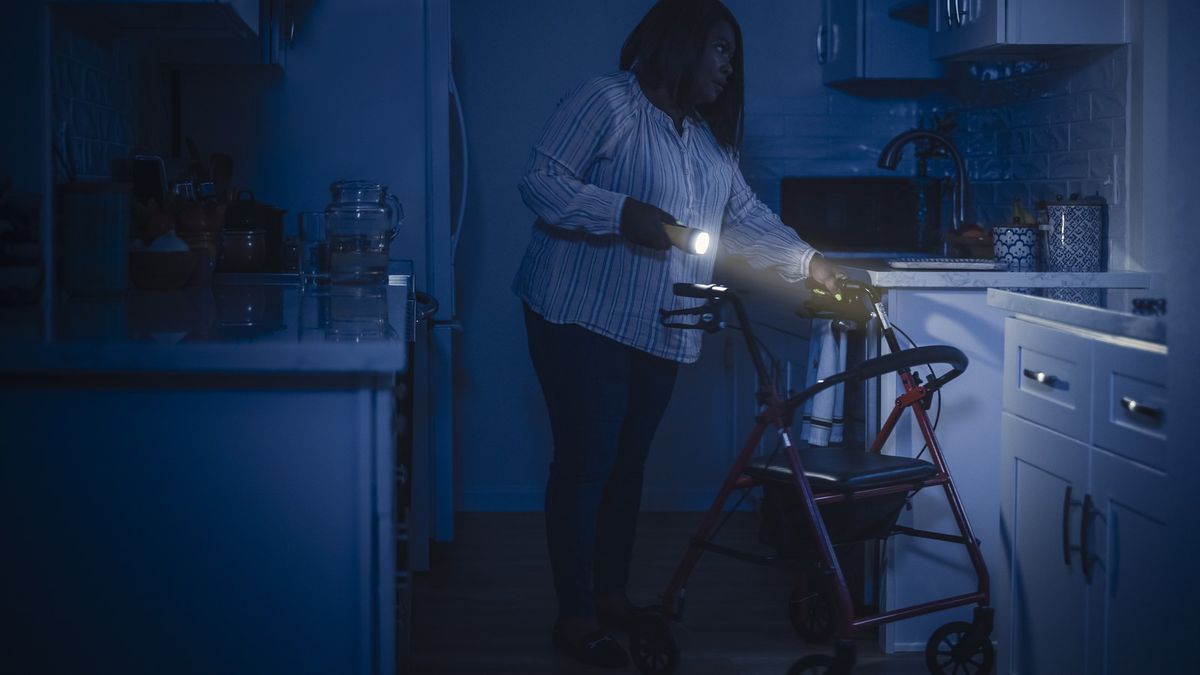
Do:
- Keep the fridge and freezer doors shut (Ready.gov, USDA, CDC).
- Unplug or turn off electronics and appliances so a surge can't damage them (Ready.gov, Red Cross).
- Leave one light switched on so you know when the power is back (Red Cross).
- Use flashlights or battery lanterns (Red Cross, CDC, CPSC).
- Check your breaker panel, then report the outage to your utility (Michigan Public Service Commission).
- Keep carbon monoxide alarms running on battery or battery backup (Ready.gov, CPSC).
- Check on neighbors, especially older adults, once your family is safe (National Weather Service, CDC).
- Go to a warming or cooling center if it gets too hot or too cold at home (Ready.gov, Red Cross).
Don't:
- Heat your home with a gas stove or oven (Ready.gov, CDC, Red Cross).
- Run a generator, grill or camp stove inside your home or garage, even with the doors open (CDC, CPSC).
- Plug a generator into a wall outlet (CPSC).
- Use candles if you can avoid it (Red Cross, CDC).
- Open the fridge or freezer more than you need to (USDA, Red Cross).
- Go near downed power lines or anything touching them (Red Cross, CDC).
- Drive through standing water with power lines in it (CDC).
- Taste food to see if it is still safe (USDA).
The first 10 minutes
Find out whether it's just your home. Michigan's Public Service Commission says to check your main electrical panel for a tripped breaker, then contact your utility to report the outage. The American Red Cross takes a more careful line: if any circuit breakers have tripped, have an electrician inspect them before you turn them back on. If your neighbors are dark too, the problem is outside your home, and reporting it to your utility is the next step.
Then protect what you have. Ready.gov says to disconnect appliances and electronics "to avoid damage from electrical surges," because power can come back with surges or spikes. The Red Cross says the same, and its power outage checklist adds, "Leave one light turned on so you'll know when the power comes back on." Use flashlights, not candles, the Red Cross says. If you must use candles, the CDC says to keep them away from anything that can catch fire and always stay near them.
To keep a phone usable once the lights are out, see how to charge your phone during a power outage.
Food: keep the doors shut
A closed fridge keeps food safe for about 4 hours, and a full freezer holds for about 48 hours, or 24 if it is half full. The USDA, the CDC and the Red Cross all give those figures. Open the doors as little as you can, and once the power has been off 4 hours, the USDA says you can move perishables to a cooler with ice or frozen gel packs.
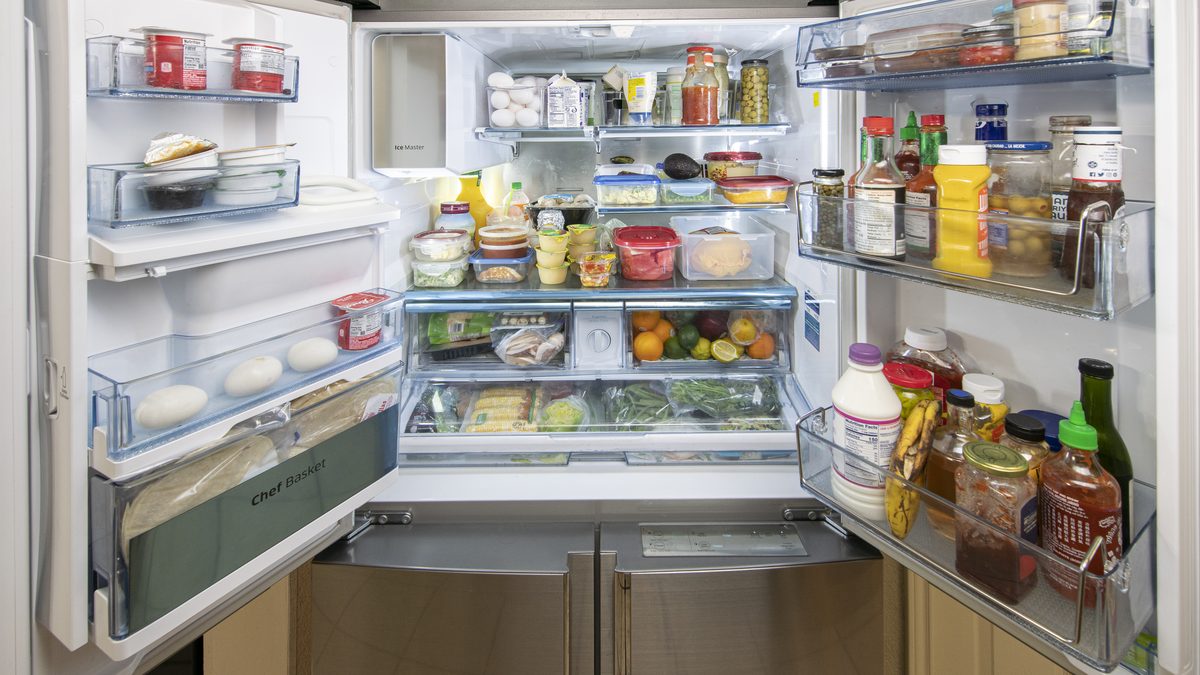
Full guide: how long food lasts in the fridge without power.
Water
An outage can cut your water too, if you're on a well pump or your water system loses power. The CDC says water purification systems "may not be functioning fully" when the power goes out, and that safe water means bottled, boiled or treated water. It says to store at least 1 gallon per person per day for 3 days, and to try for a 2-week supply. Michigan's state emergency page says to fill your bathtub and spare containers before a storm if your supply could be cut, and to use the tub water for sanitation only, not drinking.
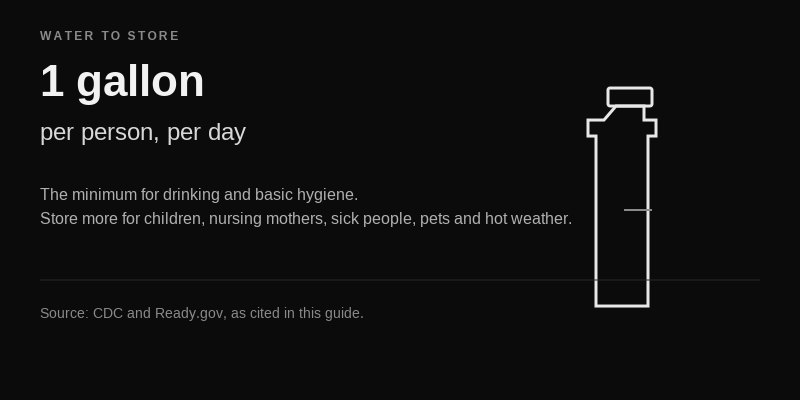
Full guide: how to store water for emergencies. If officials issue a boil-water notice, see what to do during a boil water advisory.
Staying warm or cool
Never heat your home with a gas stove or oven. Ready.gov says it raises the risk of carbon monoxide poisoning and of fires and burns, and the CDC and the Red Cross say the same. If it gets too hot or too cold, Ready.gov says to go to a community location with power, and the Red Cross says to leave if your home is too hot or too cold. Ask local officials which heating and cooling centers are open.
Fuel-burning heaters are where official advice splits. The Red Cross says, "Never use a generator, outdoor stoves or heaters indoors." The CPSC and Oregon State University Extension allow only heaters made for indoor use, with fresh air, and never while you sleep, and the heater maker Mr. Heater says some of its models are indoor safe where local law allows. Our winter guide lays out every source side by side. See our indoor-safe heater picks if you use one, and never run it while you sleep.
Full guide: how to stay warm during a winter power outage.
Generators and backup power
Run a generator outdoors only, never in the home, garage, basement or a shed. How far away depends on who you ask, so each source is listed in its own words.
- CPSC: keep generators "at least 20 feet from doors, windows, and vents that could allow CO to come indoors."
- NFPA (National Fire Protection Association): at least 20 feet "from all doors, windows, and vent openings," measured from the generator to the building.
- CDC: never "less than 20 feet from any window, door, or vent," and use an extension cord more than 20 feet long.
- Ready.gov: "at least 20 feet away from windows, doors and attached garages."
- American Red Cross: its power outage page says to keep a generator "outside in a well ventilated area away from windows," with no number. The same page's after-outage tips say generators belong "outdoors only in well-ventilated areas at least 20 feet away from windows."
Twenty feet is the floor every source with a number agrees on. Our generator guide covers NIST research suggesting farther is safer, and why carbon monoxide near the house ran higher in those models when the generator sat downwind.
Never plug a generator into a wall outlet. The CPSC calls that "backfeeding" and says it is extremely dangerous to utility workers and neighbors. Plug appliances into the generator with heavy-duty outdoor cords, and keep battery or battery backup CO alarms running inside (CPSC, CDC). See our CO alarm picks and the power station size calculator.
Full guide: how far should a generator be from the house. If you're choosing backup power, see power station vs generator.
Medicine and medical devices
Make a plan before you need it. Ready.gov says to talk to your medical provider about an outage plan for powered medical devices and refrigerated medicines. Michigan's Public Service Commission says to contact your utility if you depend on a medical device that needs electricity. The Red Cross says to leave home if you have medical devices that need power.
If you use a CPAP, see how to run a CPAP during a power outage and our apartment picks for a CPAP or fridge battery.
For refrigerated medicine, sources differ:
- Ready.gov: "If the power is out for more than a day, discard any medication that should be refrigerated, unless the drug's label says otherwise."
- CDC: the same rule, adding that if a life depends on the drug and it has been at room temperature, "use them only until a new supply is available."
- FDA, insulin: insulin in the maker's vials or cartridges, opened or unopened, "may be left unrefrigerated at a temperature between 59°F and 86°F for up to 28 days and continue to work." It says never to use insulin that has been frozen.
- American Red Cross: "Ask your provider about using refrigerated medicines."
The label and your pharmacist have the last word for your own medicine.
Downed lines and flooded areas
Stay away from fallen power lines and anything they touch. The sources give different distances:
If a basement pump is your flood defense, see how to run a sump pump during a power outage.
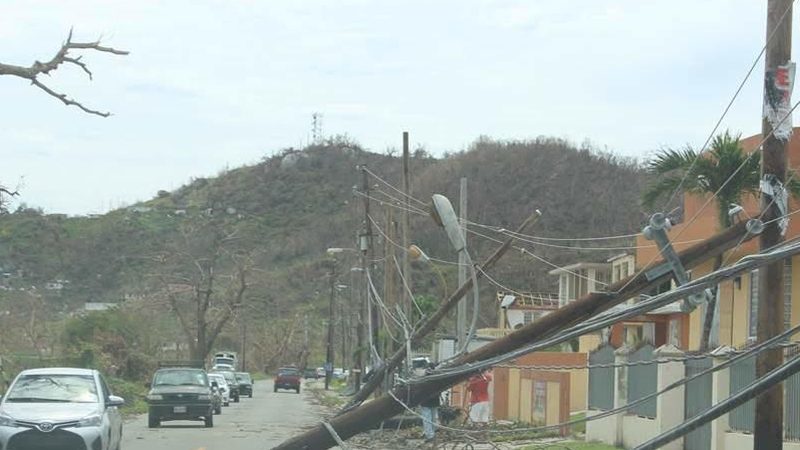
- American Red Cross: "Stay at least 35 feet away from fallen power lines and anything they are touching. Call 911 and let them know."
- Michigan State Police, MI Ready: "Always stay 25 feet away from downed power lines," and always assume a downed line is live.
- CDC: "Never touch a fallen power line," and "Do not drive through standing water if downed power lines are in the water." It gives no distance.
The 35 feet from the Red Cross is the farther of the two, so use that. Stay out of flooded areas, and don't use anything electrical that may have been under water until a qualified electrical inspector checks the system, the Red Cross says.
If the power is out for days
Eat in the right order. University of Georgia Extension says to use food from the refrigerator first, then frozen food, then canned food, and Oregon State University Extension and the Red Cross give the same order.
Cook safely. Oregon State says cooking gear made for outdoor use "cannot be used indoors or in attached garages" because of carbon monoxide, though stoves that burn butane can be used indoors with proper ventilation, following the maker's directions. To stretch fuel, it suggests ready-to-eat food that needs no cooking, or cooking grains and dried soups in a preheated thermos.
Full guide: how to cook safely when the power is out.
Check on people. The National Weather Service says, "Once your family is safe, check on your neighbors and the vulnerable to make sure they are okay." The CDC says older adults make less body heat and need checking often in the cold. And don't siphon gasoline, the CDC warns, because it can cause burns and lung damage.
For outages that last weeks or longer, see how to prepare for a 90 day power outage.
When the power comes back
Give the grid a minute. University of Illinois Extension, citing the Safe Electricity program, says to leave one light on, wait a few minutes, and then turn other appliances and equipment back on one at a time, because power can come back in surges.
Then check the food. The FDA says to check the temperature inside the fridge and freezer, and that if the freezer thermometer reads 40°F or below, the food is safe and may be refrozen. The rule for refrigerated food differs by source:
- American Red Cross: "Throw out food that has been warmer than 40 degrees F," with no time limit.
- FDA: discard perishable food "that has been above 40° F for two hours or more."
- USDA and CDC: discard refrigerated perishables after 4 hours without power.
Never taste food to check it. When in doubt, throw it out, the USDA says. Our fridge food guide has the full keep or toss list.
Your outage kit
The best time to build a kit is before the lights go out. Our power outage kit list covers water, food, light, warmth, medicine and charging for two weeks. For ice and winter storms, see the winter storm power outage kit. You can also print or text our power outage checklist, and we have power bank picks to keep a phone going.
Gear that helps
What to look for: a NOAA weather radio (National Weather Service), a flashlight for each person (Ready.gov), a carbon monoxide alarm listed to UL 2034 with battery backup (CPSC) and an appliance thermometer (FDA).
Doom Signals earns from qualifying Amazon purchases.
Midland WR120B NOAA weather radio
Midland says the WR120B receives NOAA and all-hazard alerts and switches to AA batteries when the power goes out.
Black Diamond Astro 300 headlamp
Black Diamond lists 300 lumens on high and runs it on three AAA batteries or its rechargeable BD 1500 battery. Ready.gov says to have flashlights for every household member.
UST says it runs 60 days on low and 41 hours on high on six D batteries, which are not included.
Kidde COPD plug-in CO alarm with battery backup
Kidde's product data sheet says this alarm shall at a minimum meet the requirements of UL 2034, and lists a 120-volt plug-in design with two AA backup batteries. Kidde's product page says the backup batteries "ensure your alarm keeps working when the power goes out."
Taylor digital fridge and freezer thermometer
Taylor lists a range of -4°F to 140°F with min and max readings, so you can see how warm the fridge got while the power was out.
Checked Saturday, Nov 14, 2026, 12:21 AM ET. No prices listed because they change daily.
The full list is in our power outage kit list, and backup power is covered in power station vs generator.
FAQ
What should I do when the power goes out?
Keep the fridge and freezer closed, unplug electronics, use flashlights instead of candles and check on neighbors once your family is safe (Ready.gov, Red Cross, National Weather Service).
What should you not do during a power outage?
Don't heat with a gas stove or oven, don't run a generator, grill or camp stove indoors, don't open the fridge more than needed and don't go near downed lines (Ready.gov, CDC, Red Cross).
What should I do during a power outage in winter?
Stay in one warm room, wear layers, never heat with a stove or oven, and go to a warming center if it gets too cold. Our winter warmth guide has the details (FEMA, Ready.gov).
What should I do if the power is out for days?
Eat fridge food first, then freezer, then canned. Keep water and medicine plans ready, use outdoor cooking gear only outdoors, and check on neighbors. Our 90 day guide covers longer outages (UGA Extension, Oregon State Extension, National Weather Service).
Should I keep the fridge and freezer closed?
Yes. A closed fridge keeps food safe about 4 hours, and a full freezer about 48 hours, or 24 if half full (USDA, CDC, Red Cross).
Can I heat my home with a gas stove or oven?
No. It raises the risk of carbon monoxide poisoning and fires (Ready.gov, CDC, NFPA).
Should I unplug appliances?
Yes. Turn off or unplug electronics, because power can return with surges that damage them (Ready.gov, Red Cross).
What should I do about downed power lines?
Stay at least 35 feet away from the lines and anything touching them, and call 911 (Red Cross). Michigan's state emergency page gives 25 feet. Never touch them or drive through water with lines in it (CDC).
More outage guides are on our guides page, and storm safety lives on our hurricanes page. To get the next guide by email, subscribe here. How we pick and check sources is on our methodology page.
Sources
- Oregon State University Extension Service, EM 9278, Survival Basics: No Power? No Problem (2020, reviewed 2024)
- University of Georgia Extension, Forsyth County, Are You Ready for Winter Storms?
- University of Illinois Extension, Power Outage Safety
- Ready.gov, Power Outages
- CDC, What to Do to Protect Yourself During a Power Outage, How to Create an Emergency Water Supply, Carbon Monoxide Poisoning Basics and Safety Guidelines: During and After a Winter Storm
- American Red Cross, Power Outage Safety and Power Outage Checklist (2009)
- USDA Food Safety and Inspection Service, Keep Your Food Safe During Emergencies
- FDA, Power Outages: Key Tips for Consumers About Food Safety and Information Regarding Insulin Storage in an Emergency
- CPSC, Portable Generator Safety Alert
- Mr. Heater, General Product Info
- NFPA, Generator Safety tip sheet
- FEMA, How Can I Stay Warm During a Power Outage?
- National Weather Service, During Extremely Cold Weather and Prepare for a Winter Storm
- Michigan Public Service Commission, Preparing for and Responding to Power Outages, and Michigan State Police MI Ready, Winter Power Outage Tips
- Makers: Midland WR120B, Black Diamond Astro 300, UST 60-Day Duro, Kidde COPD, Taylor Digital Fridge/Freezer Thermometer
Image: U.S. Consumer Product Safety Commission (public domain).
All guidance checked Saturday, Nov 14, 2026, 12:21 AM ET.