
Articles
Longer reads from the desk, newest first. Each piece names its sources on the page.
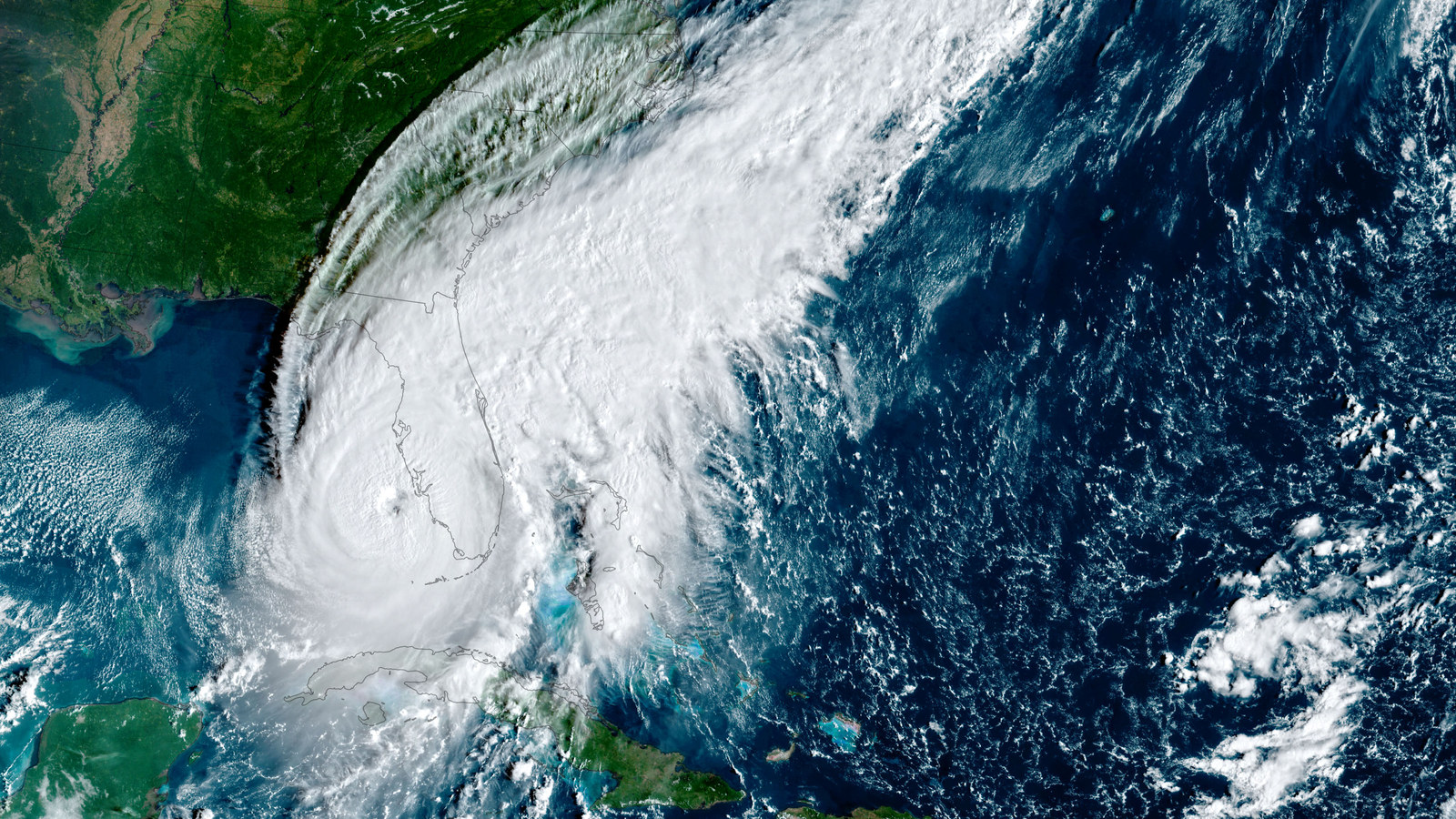 Explainer · Hurricane Watch vs Warning: What Each One MeansA hurricane watch means hurricane conditions, sustained winds of 74 mph or greater, are possible. A warning means they are expected. The National Hurricane Center times both alerts from tropical-storm-force winds, and other alerts cover tropical storms, storm surge and extreme winds.A hurricane watch means sustained winds of 74 mph or greater are possible. A warning means they are expected. Learn the timing, the other alerts and what to do.
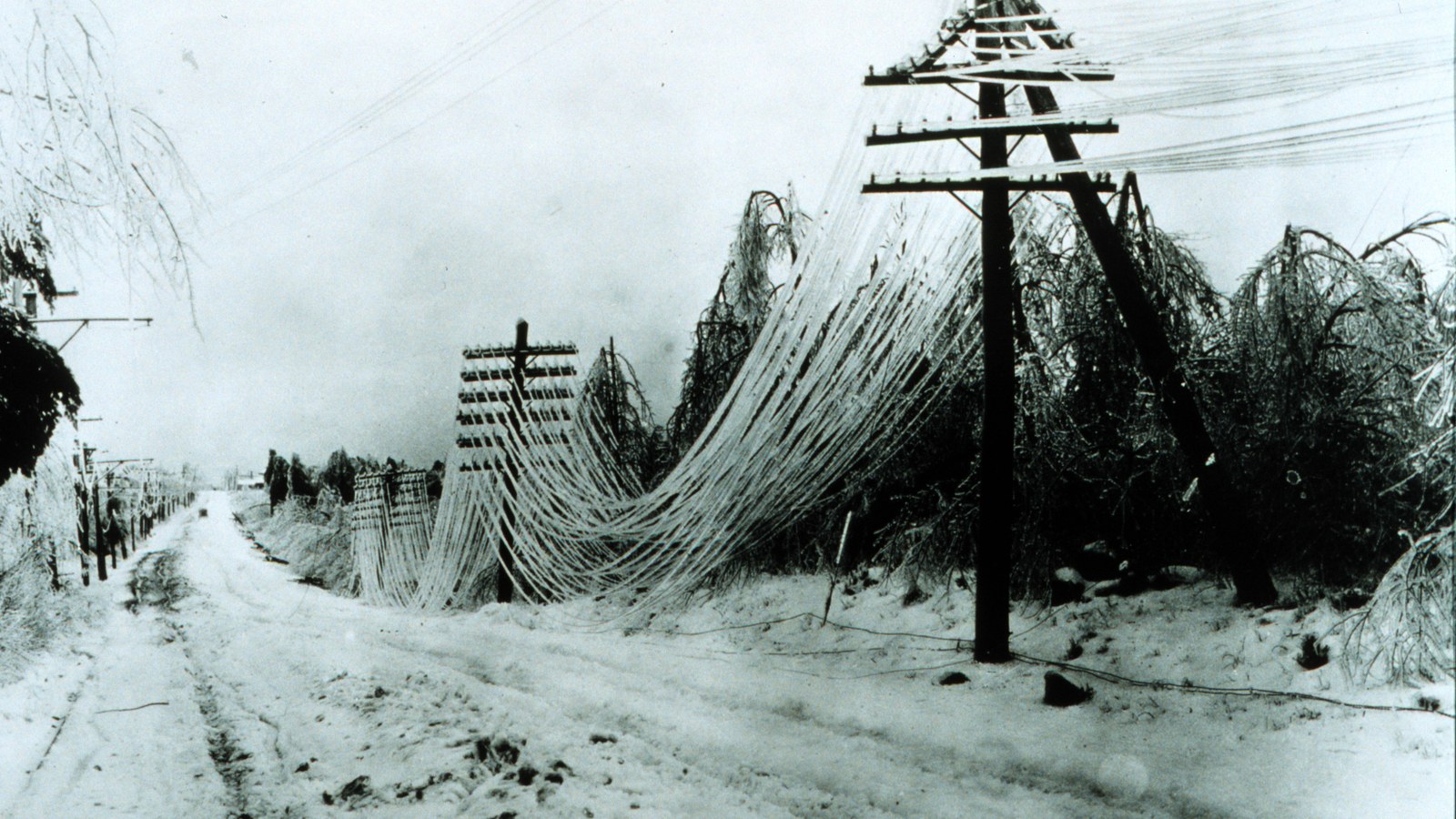 Explainer · Winter Storm Warning vs Watch vs AdvisoryA winter storm warning is issued for a significant winter weather event, and a watch means conditions are favorable for one. The National Weather Service also issues ice storm, blizzard and extreme cold alerts, each with its own action.The National Weather Service uses three winter alert levels: advisory, watch and warning. Learn what each one means, which is worse and how ice can cut power.
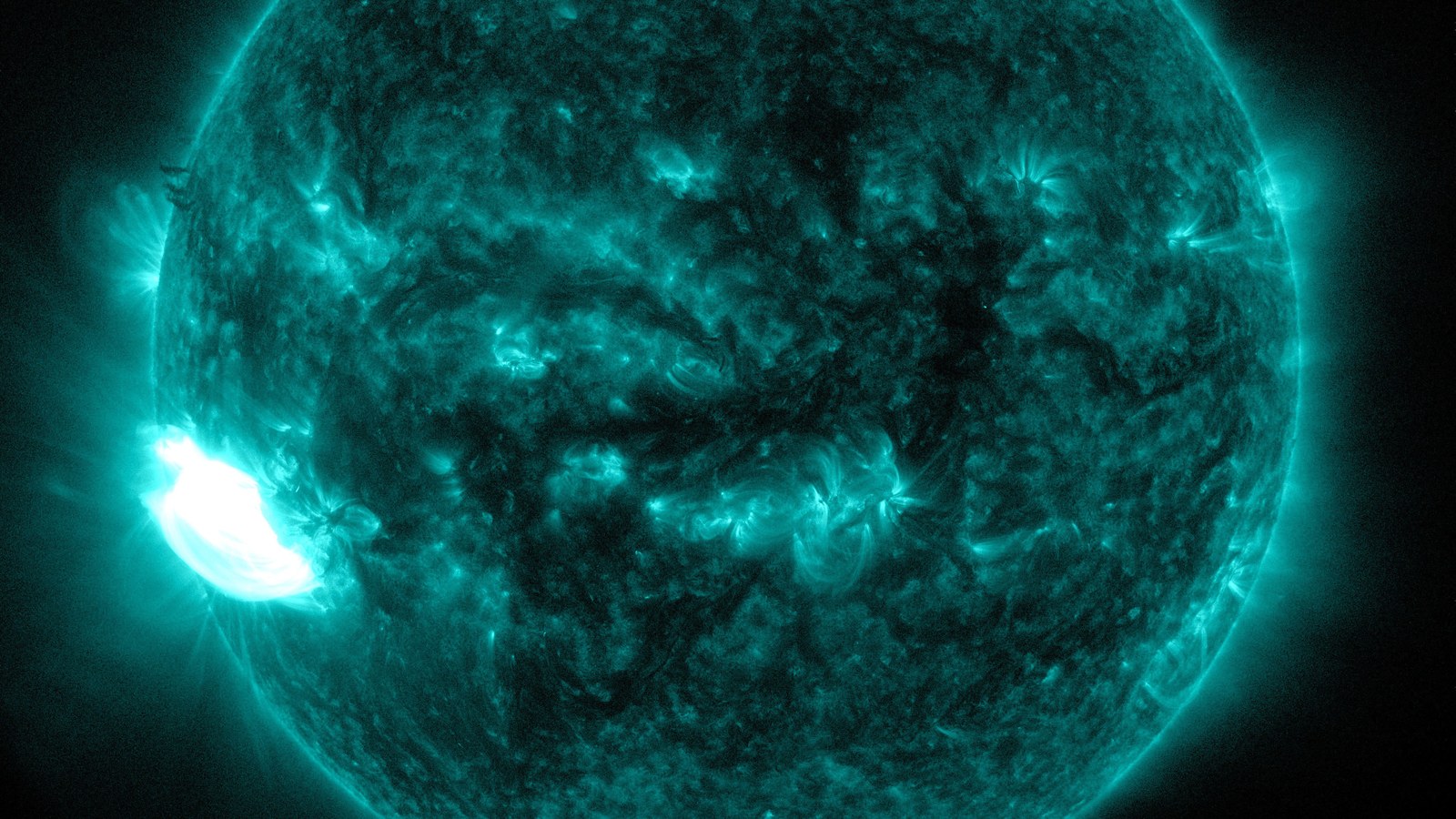 Explainer · Solar Flare Classes Explained: A, B, C, M and XNOAA grades solar flares A, B, C, M and X by peak X-ray brightness, each class ten times the one below. From M1 up, flares map to NOAA's R1 to R5 radio blackout scale, and an X1 can cut shortwave radio for about an hour on Earth's sunlit side.NOAA sorts solar flares by letter, A, B, C, M and X, each ten times stronger than the last. See what each class means and what an X flare can disrupt.
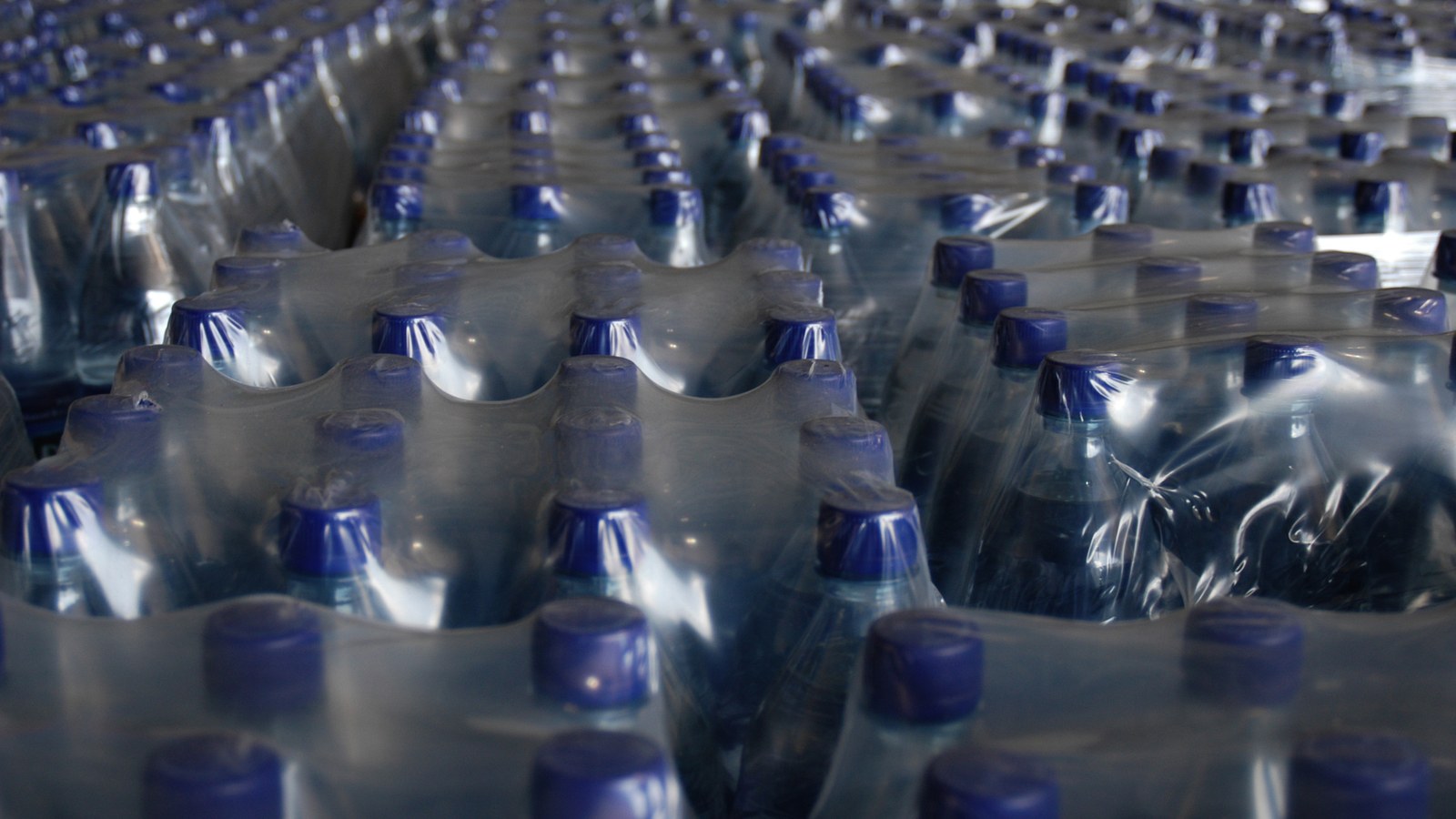 Explainer · Power Outage Kit List: What You Need for 2 WeeksA two week outage kit covers water, food that needs no cooking, light, safe warmth, medicine and phone charging. Ready.gov says to store at least one gallon of water per person per day, which is 14 gallons each for two weeks.A calm, plain checklist for a 2 week power outage at home. Water, food, light, heat, medicine and backup power, with what Ready.gov actually says.
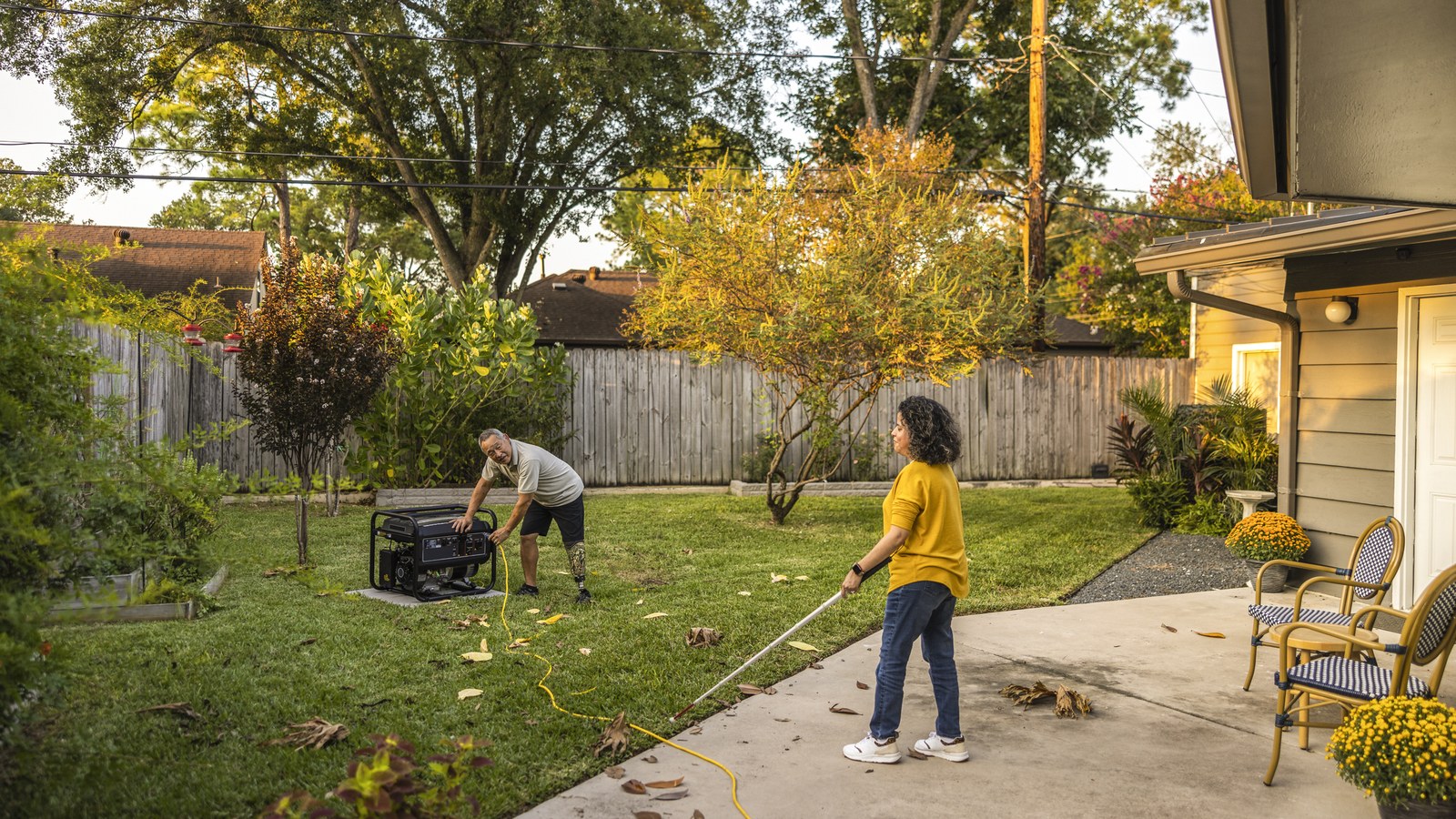 Explainer · Power Station vs Generator: Which Fits Your Home?A power station is a quiet battery with no exhaust, good for phones, lights, a CPAP or a short fridge run. A generator makes more power for longer, but only outdoors. The CPSC says at least 20 feet from homes and buildings; Ready.gov says at least 20 feet from windows, doors and attached garages.A plain comparison of portable power stations and generators for home outages. What each can run, how long, and the safety rules that matter most.
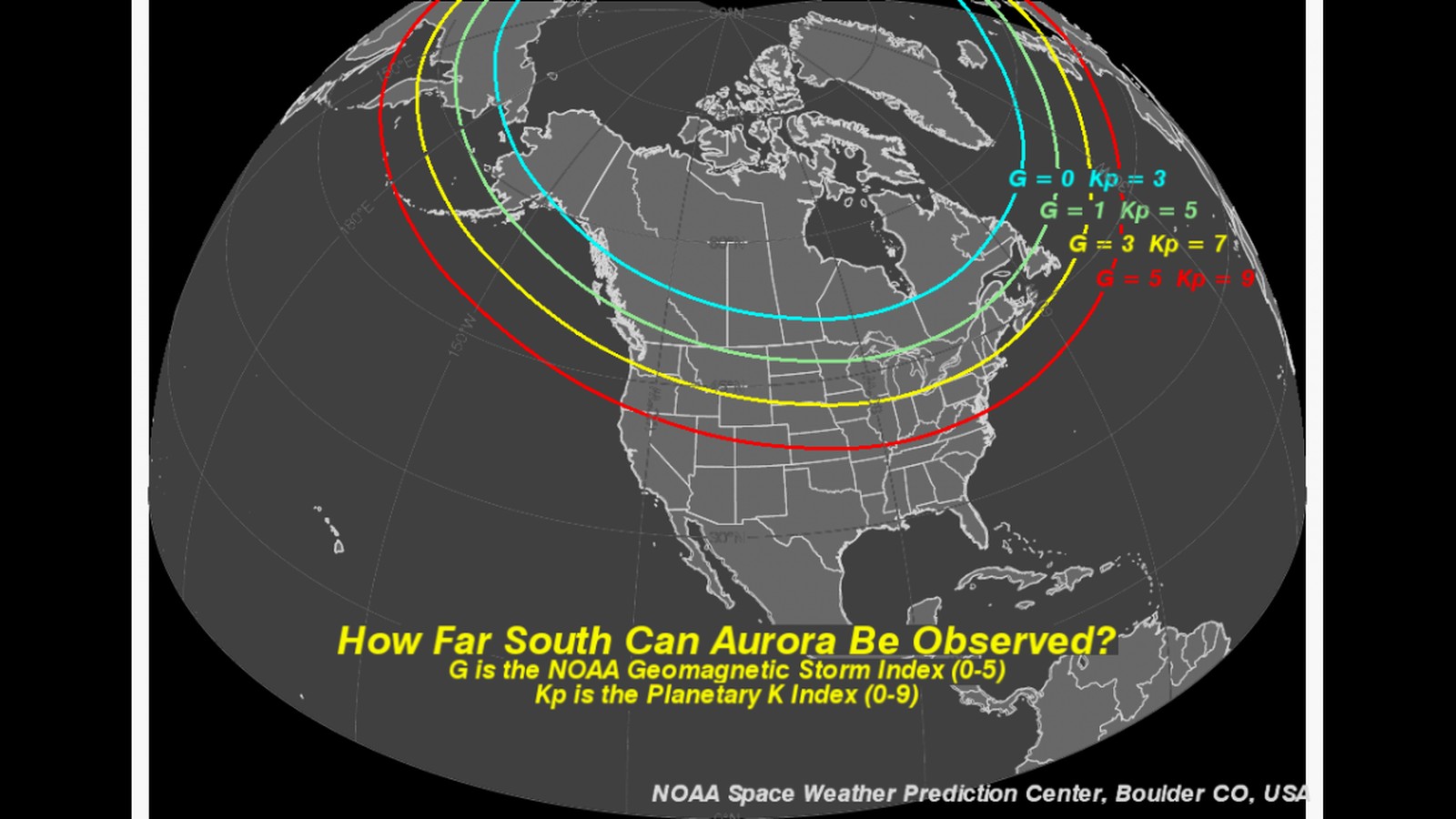 Explainer · What Kp Do You Need to See the Northern Lights?NOAA's Kp index runs from 0 to 9. Kp 6 or 7 may bring the aurora to the northern edge of the US, and Kp 8 or 9 can put it overhead in the northern states, per NOAA's Space Weather Prediction Center.The Kp index runs from 0 to 9. See what NOAA says each level means for the northern lights, how far south they reach, and where to check Kp.
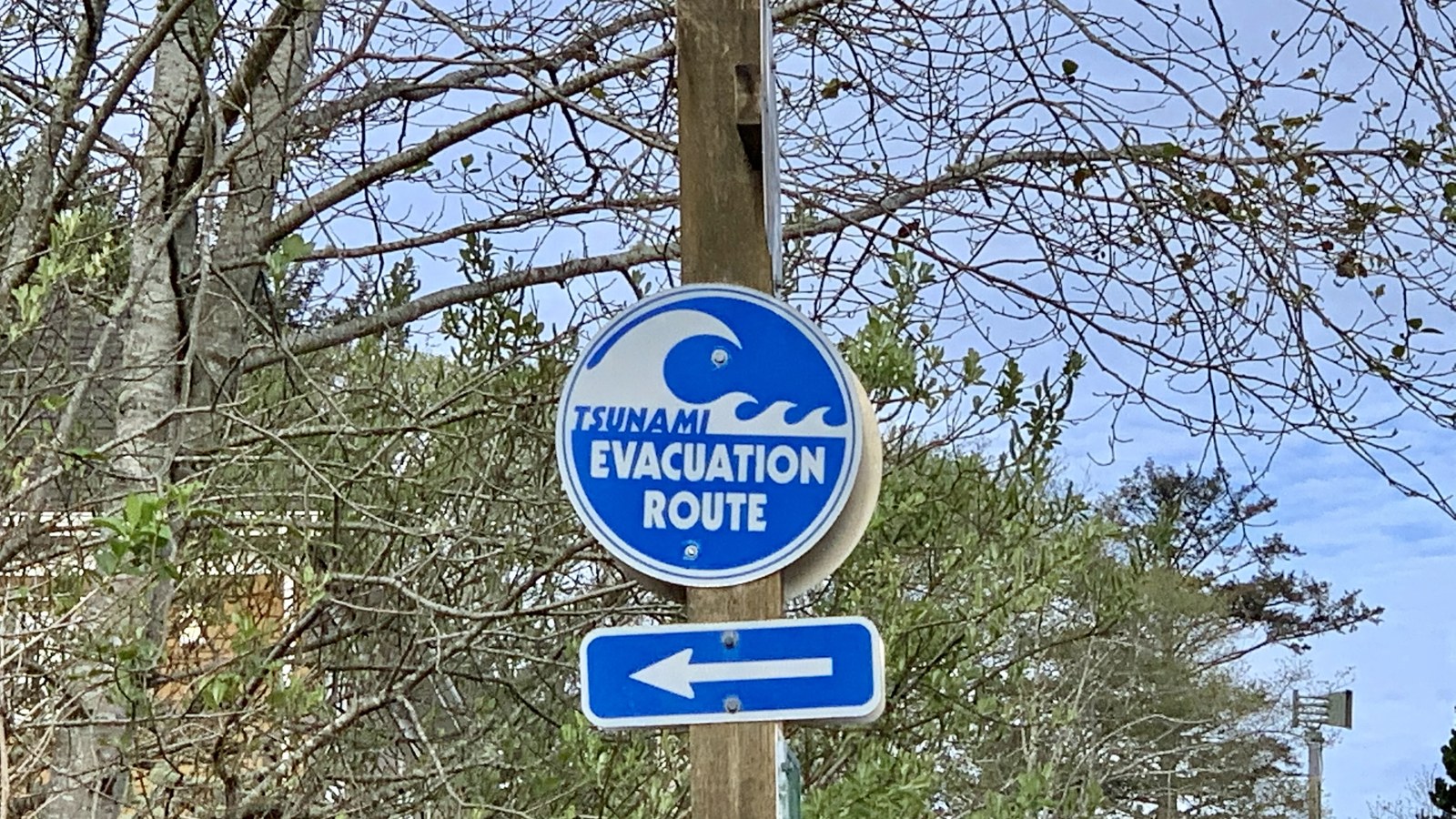 Explainer · Tsunami Warning vs Watch: What Each One MeansA tsunami warning means a dangerous tsunami is expected or happening, so move to high ground. A watch means one is possible. The National Weather Service sets four U.S. alert levels, and each carries one action.The US has four tsunami alert levels. Learn what a warning, advisory, watch and information statement mean, what to do, and why most quakes make no wave.
 Preparedness · How to Prepare for a 90 Day Power OutageThe Pentagon says every major base will make its own power, independent of the civilian grid, and a reported plan sets 90 days. Here is what is confirmed, and what long haul sources say a household needs if the power stays out for months.How to prepare for a 90 day power outage: water, food, sanitation, heat and medicine from official guides, plus what the Pentagon's FORTRESS memo says.
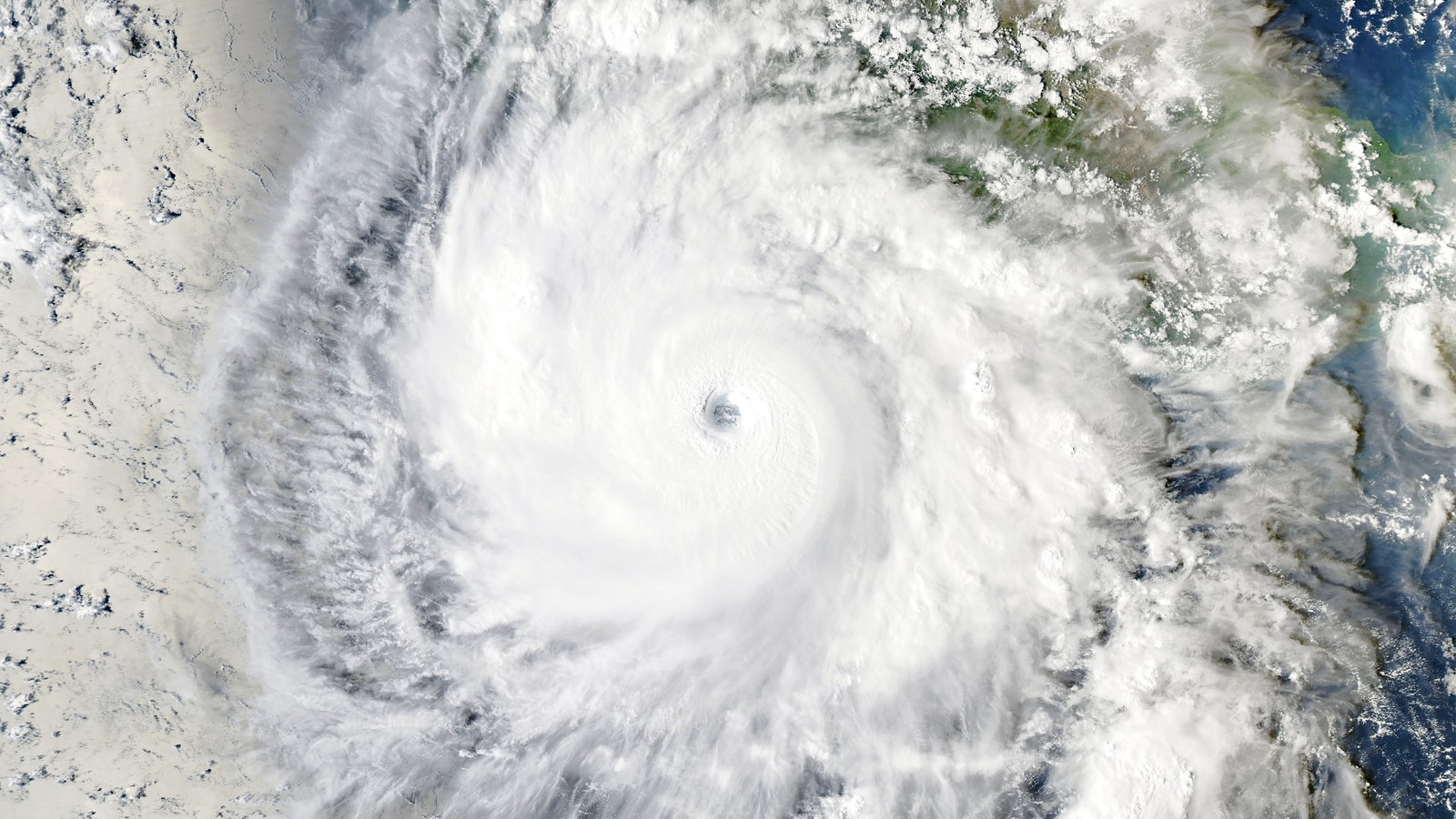 Explainer · The Pacific's Most Energetic Hurricane Season on Record, With Six Weeks Still to GoEast of the Date Line, 2026 has fewer storms than the busiest years but more storm energy and more hurricane days than any season since 1949.How many hurricanes and typhoons the Pacific has had in 2026, how that compares with a normal year, and which storms hit hardest, per NHC and JMA.
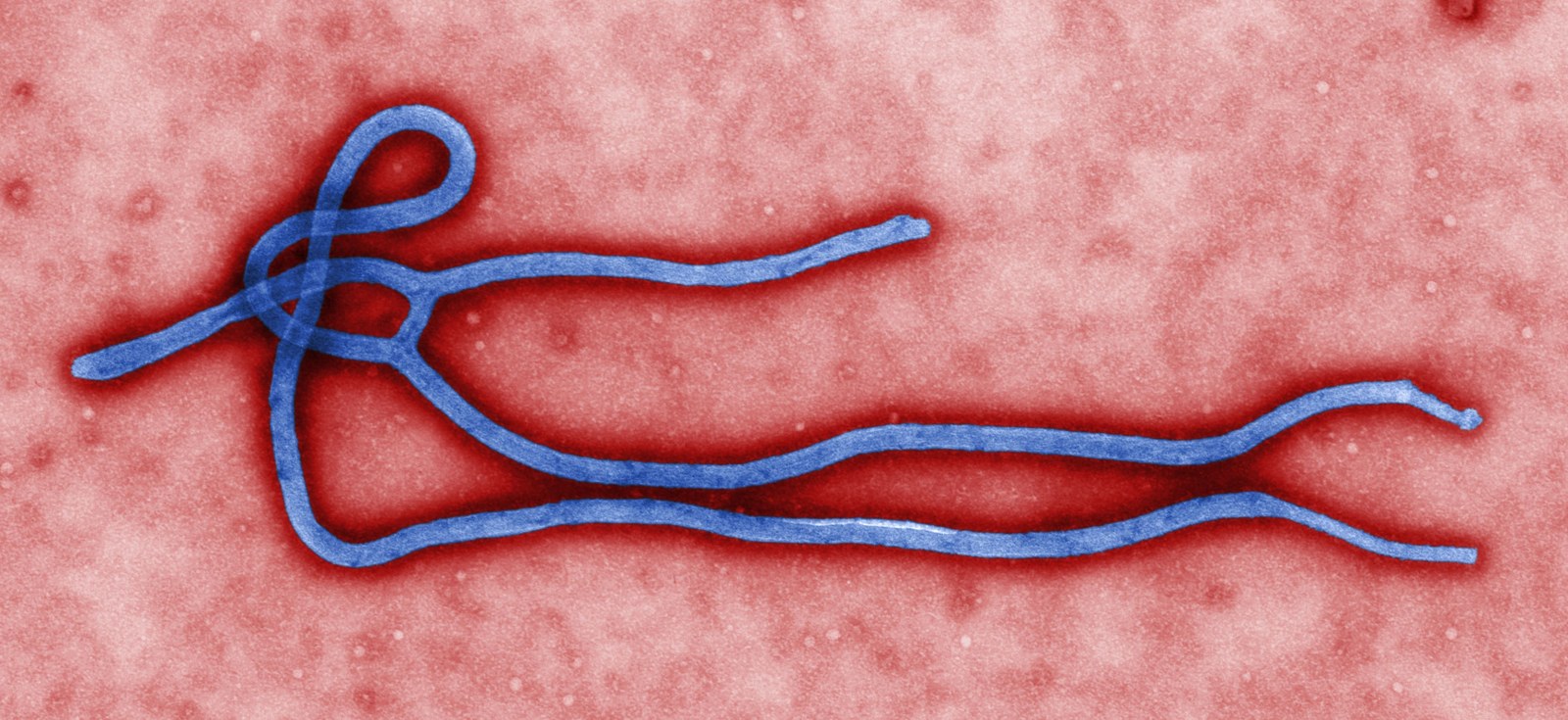 Status · Ebola in Ituri and Kenya: Where the Outbreak StandsCongo's Bundibugyo Ebola outbreak is the second largest on record, and Kenya now has seven confirmed cases, all linked to its first patient. Here is the latest official count, what is known and what is not.Congo's Bundibugyo Ebola outbreak in plain words: the latest WHO count, why Ituri is hardest hit, Kenya's seven cases, and the vaccine gap.
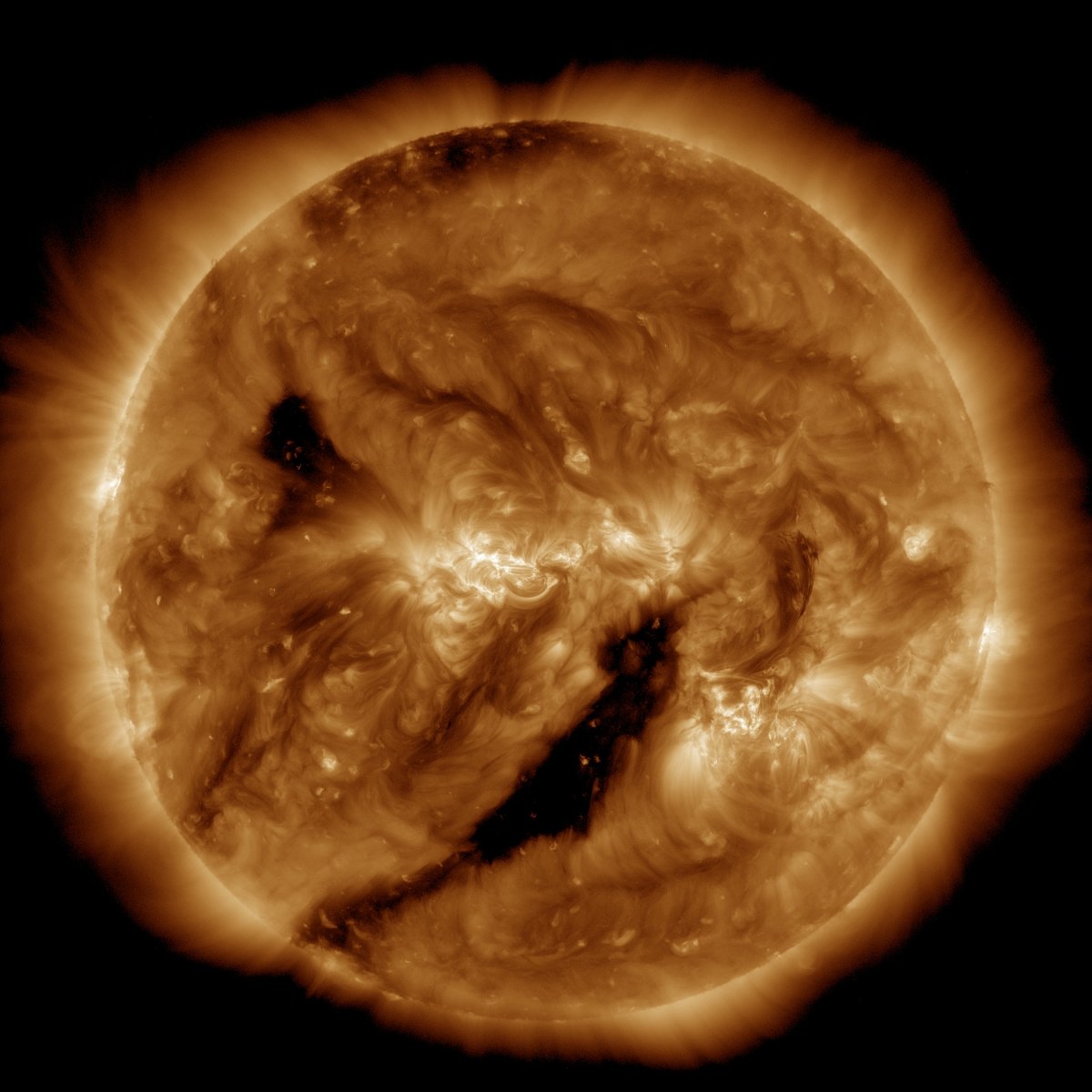 Explainer · Geomagnetic Storm Warning Today? How to Check NOAAThe warnings come from NOAA, not NASA, and most are milder than they sound. Here is how to read a K4, a G1 and a G5, and where to check the real thing.Who issues geomagnetic storm warnings, what K4 and G1 to G5 mean in plain words, and where to check NOAA's live alerts for today.
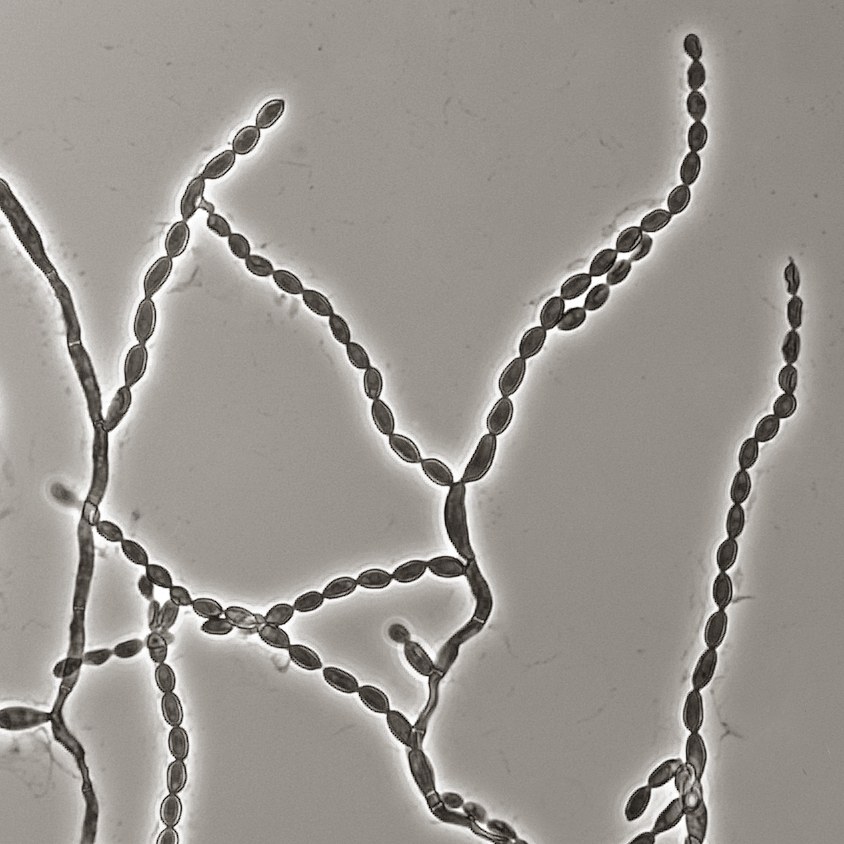 Claim check · The Brain Fungus Going Viral Is Real, Rare and Still a MysteryA CDC report counts 49 cases in 17 years at one US lab, with a fourfold jump since 2023. Here is what the 70% figure means, and what it does not.A viral post says a deadly brain fungus is rising in the US with up to 70% fatality. It is Cladophialophora bantiana, from an Oct 2 CDC MMWR report. What is confirmed, what needs context, and who is at risk.
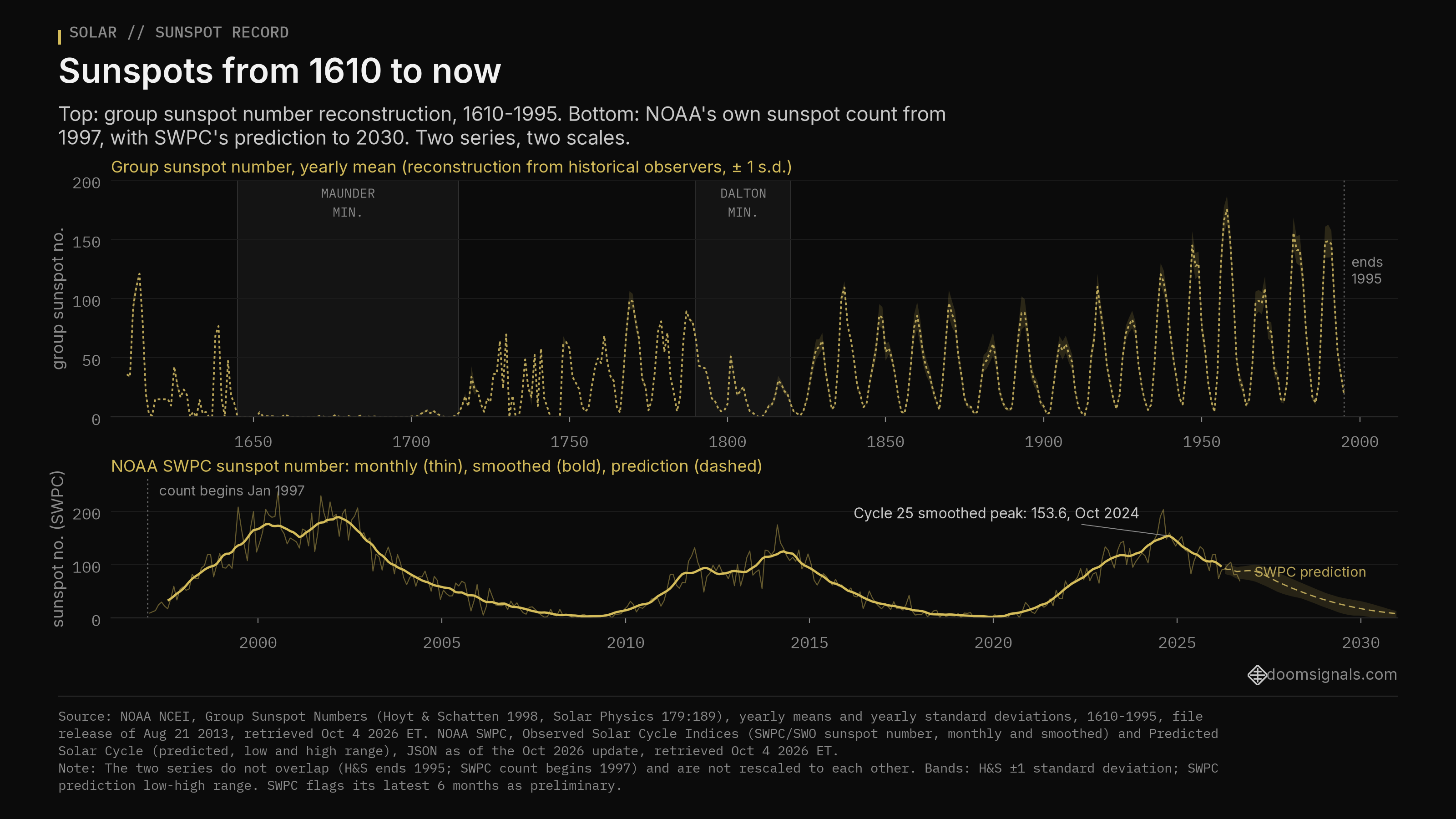 Long read · Plague and the Quiet SunDo grand solar minima bring cold, famine and plague? I checked every link in the chain.Sunspots back to 1610, 2,000 years of temperature, three plague pandemics and WHO's case tables: what the evidence says about solar minima, climate and plague.
 Newsletter · Issue 01 · The Age of AccelerationIs everything speeding up? I checked the instruments.AI compute, CO₂, heat, disasters, our nerves, and the two meters that refuse to speed up.