
Power out right now? Start here. For staying warm without a kit list, see how to stay warm during a winter power outage.
Buy a carbon monoxide alarm, a NOAA weather radio, lights, water and cold-weather bedding before the ice arrives. If you use a heater, only a model labeled safe for indoor use, with tip-over and low-oxygen shutoff.
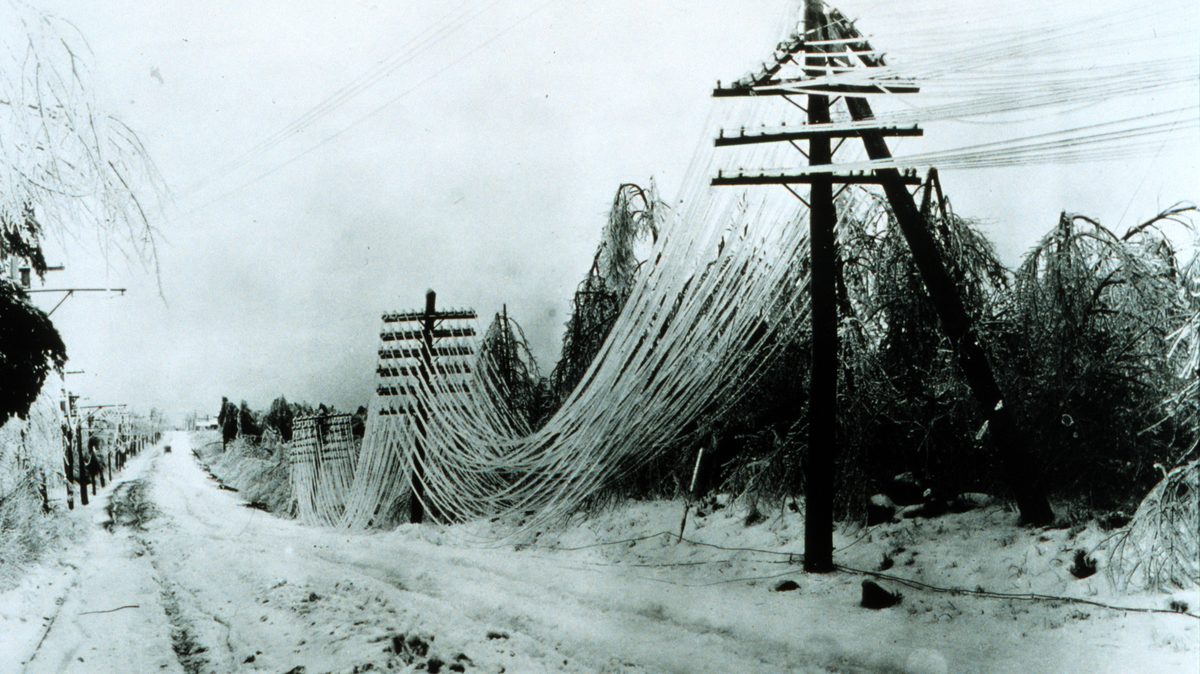
An ice storm can take down power lines and leave a house cold, dark and short of water for days. Ready.gov and FEMA say to build a kit before the weather arrives. The picks below are the gear that actually helps in that situation, each with one reason to buy it and a Budget, Mid or Premium tier. We do not list dollar prices because they change.
As an Amazon Associate, Doom Signals earns from qualifying purchases.
Carbon monoxide alarm
See our CO alarm picks for generator and heater use.
Kidde COPD plug-in CO alarm with battery backup
Kidde says this alarm is tested to meet UL 2034 and uses a 120-volt plug with two AA backup batteries, so it keeps working when the outlet is dead. Tier: Mid.
NOAA weather radio
Midland WR120B NOAA weather radio with battery backup
Midland says the WR120B receives NOAA and all-hazard alerts for your county, runs on a wall adapter and switches to AA batteries when the power goes out. Ready.gov's kit list calls for a NOAA weather radio with tone alert. Tier: Mid.
Power station
See our picks for a CPAP or fridge battery.
EcoFlow RIVER 2 Pro portable power station
EcoFlow lists the RIVER 2 Pro as a 768-watt-hour LiFePO4 station with AC outlets, so it can run lights or a medical device indoors with no exhaust. Tier: Premium.
Lantern
See our lantern picks for a power outage.
Energizer WeatheReady PRO-360 LED lantern
Energizer lists 500 lumens on high and says this lantern can run on three D or three AA batteries, with a long low-mode runtime for an extended outage. Tier: Budget.
Headlamp
Energizer Vision HD+ LED headlamp
Energizer lists 400 lumens, a pivoting head and AAA batteries, so you can work hands-free in a dark house. Tier: Mid.
Water container
See our water container picks.
Scepter 5-gallon food-grade water can
Scepter lists this 5-gallon can as food-grade polyethylene with a tight cap and pour spout. FEMA's rule is 1 gallon of water per person per day. Tier: Mid.
Cold-rated sleeping bag
Coleman North Rim 0°F mummy sleeping bag
Coleman rates the North Rim mummy bag to 0°F. Ready.gov and FEMA recommend extra blankets or sleeping bags for a winter outage. Tier: Mid.
Hand warmers
HotHands hand warmers, 40-pair pack
HotHands says these air-activated warmers provide up to 10 hours of heat and need no power or fuel. Tier: Budget.
Indoor-safe heater
See our indoor-safe heater picks, and never run one while you sleep.
Mr. Heater Portable Buddy indoor-safe propane heater
Mr. Heater says the Portable Buddy is approved for indoor and outdoor use and has a tip-over switch and an oxygen depletion sensor (low-oxygen shutoff). Use it only with a working CO alarm in the room. Tier: Mid.
A short carbon monoxide safety note
Never heat your home with a stove, oven, grill, camp stove or generator. Those appliances can fill a house with carbon monoxide or start a fire (CPSC, CDC, FEMA, Ready.gov, NFPA). Carbon monoxide has no color or smell. If you use a fuel-burning heater, choose only a model the maker labels safe for indoor use, with tip-over and low-oxygen shutoff, keep a working carbon monoxide alarm in the room, give it fresh air and never run it while you sleep (CPSC, CDC). The American Red Cross says never to use portable heaters indoors. Some cities and apartment buildings ban propane heaters.
FAQ
What should I buy before a winter power outage?
Start with a carbon monoxide alarm that has battery backup, a NOAA weather radio, flashlights or lanterns, stored water and extra blankets or a cold-rated sleeping bag (Ready.gov, CPSC, FEMA). If you add a heater, use only a model the maker labels safe for indoor use, with tip-over and low-oxygen shutoff, and keep a working CO alarm in the room.
How much water should I store for a winter storm?
FEMA and Ready.gov say to store at least 1 gallon of water per person per day, for at least three days, and more if you can. A food-grade container with a tight lid is the usual choice (CDC).
Is a propane heater safe to use indoors during an outage?
Only if the maker labels that model safe for indoor use and it has tip-over and low-oxygen shutoff. Keep a working carbon monoxide alarm in the room, give it fresh air and never run it while you sleep (CPSC, CDC). The Red Cross says never to use portable heaters indoors, and some cities and apartment buildings ban them.
Why do I need a carbon monoxide alarm if the power is out?
Fuel-burning heaters and generators can put carbon monoxide into a house. A plug-in alarm needs battery backup to keep working when the outlet is dead (CPSC). Never heat with a stove, oven, grill, camp stove or generator (CPSC, CDC, FEMA, Ready.gov).
Sources
- Ready.gov: Build A Kit
- Ready.gov: Power Outages
- Ready.gov: Winter Weather
- CDC: Carbon Monoxide Prevention
- CPSC: Carbon Monoxide Information Center
- Mr. Heater: Portable Buddy Heater (MH9BX), indoor-safe, tip-over and oxygen depletion sensor
- NOAA Photo Library / National Weather Service, via Wikimedia Commons: IceStormPowerLines.png (public domain)
Checked Saturday, Nov 14, 2026, 8:30 PM ET.