
Use bottled water, or boil your tap water at a full rolling boil for 1 minute and let it cool before you use it. At high elevations, boil it for 3 minutes; the CDC says that starts above 6,500 feet, and the EPA says above 5,000 feet. Boil it even if it went through a home or pitcher filter. Don't use ice or water from your fridge dispenser. Shower without swallowing any water, and brush your teeth with boiled or bottled water. That advice comes from the CDC and the Environmental Protection Agency (EPA), and your local notice comes first.
Quick answers
- Drink and cook with bottled water or tap water you have boiled for 1 minute (CDC).
- Boil filtered tap water too. A home or pitcher filter doesn't replace boiling (CDC).
- Skip fridge ice and water dispensers (CDC).
- Shower, but don't swallow the water, and consider sponge baths for babies and young children (CDC).
- Brush your teeth with boiled or bottled water (CDC).
- Use disposable dishes if you can, or a dishwasher with a sanitizing cycle (CDC).
- Laundry is fine as usual, and in many cases you can wash your hands with tap water and soap (CDC).
- When the advisory ends, follow your water system's flushing steps.
Three kinds of advisory, in the CDC's words:
- Boil water advisory: "Boiling kills germs in the tap water that could make you sick."
- Do not drink advisory: use commercially bottled water for drinking and cooking, because "Swallowing chemicals or toxins in the tap water could make you sick."
- Do not use advisory: use commercially bottled water for all purposes, because "Swallowing, touching, or having other contact with the tap water could be dangerous."
Boiling only fixes the first one. If a storm or outage caused the problem, our what to do during a power outage checklist covers the rest of the house.
What a boil water advisory means
Water utilities or government agencies issue a boil water advisory when tap water has, or could have, germs that can make you sick. The CDC's Cryptosporidium page says that includes Crypto, a parasite, and its public service toolkit says boiling is "the surest way to kill disease-causing organisms, including viruses, bacteria, and parasites."
Your local notice is the one to follow. The CDC says to carefully follow local officials' advice during any drinking water advisory, and notices can include their own steps for food, ice, dishes and bathing.
How to boil water
The CDC and the EPA give the same basic steps:
- If the water is cloudy, filter it through a clean cloth, paper towel or coffee filter, or let it settle, then draw off the clear water (CDC, EPA).
- Bring it to a rolling boil for 1 minute. The CDC says "a full rolling boil for 1 minute," and the EPA says "at least one minute."
- Let it cool so you don't get burned (CDC).
- Store it in clean, sanitized containers with tight covers (CDC).
Where the two agencies part ways is altitude:
- CDC: "At elevations above 6,500 feet, boil for 3 minutes."
- EPA: "At altitudes above 5,000 feet (1,000 meters), boil water for three minutes."
If you live between 5,000 and 6,500 feet, the two agencies disagree about whether you need the longer boil. Your water system's notice may name its own figure, and that is the one to use.
Boiled water can taste flat. The CDC says to pour it from one container to another and let it stand for a few hours, or add a pinch of salt for each quart or liter. The EPA gives the same salt tip, or says to pour it between clean containers several times.
If the power is out too, don't bring a camp stove or grill inside to boil water. Ready.gov says generators, camp stoves and charcoal grills "should always be used outdoors and at least 20 feet away from windows." See how to cook safely when the power is out. To store the boiled water, see our guide to storing water for emergencies.
Drinking, cooking, baby formula and pets
The CDC says to use commercially bottled water or boiled water "for drinking and to prepare and cook food." For babies, it says breastfeeding is the best option, and "If you feed your child formula, provide ready-to-use formula if possible."
Pets need the same care. The CDC says to give them bottled water or boiled water that has cooled, because "Pets can get sick from some of the same germs as people or spread germs to people." You can still use tap water on houseplants and gardens, it says, including plants you eat.
Ice and fridge dispensers
The CDC says, "During any type of drinking water advisory, do not drink or use water from appliances connected to your water line. This includes the water and ice dispensers in your refrigerator or freezer." If you need ice, make it from boiled or bottled water.
Showers, baths, handwashing and babies
You can shower. The CDC says to "Be careful not to swallow any water when bathing or showering." For babies and young children, it says to use caution and consider a sponge bath "to reduce the chance of them swallowing water."
Handwashing is where CDC pages read differently, so both are here:
- CDC, boil water advisory page: "In many cases, you can use tap water and soap to wash your hands during a boil water advisory. Follow the advice from your local officials."
- CDC, emergency water page: if you know or suspect your water is unsafe, don't use it to wash your hands, and use bottled, boiled or treated water instead.
The first page is written for boil water advisories, so tap water and soap is usually fine, unless your notice says otherwise. If it does, use boiled or bottled water. The CDC's Crypto page says to scrub with soap for at least 20 seconds.
Brushing teeth
"Brush your teeth using boiled water or commercially bottled water," the CDC says. "Do not use tap water that you have not boiled first."
Dishes and laundry
If possible, use disposable plates, cups and utensils, and sanitize all baby bottles, the CDC says.
A dishwasher is "generally safe to use" if it has a sanitizing cycle or reaches a final rinse temperature of at least 150°F (66°C), according to the CDC. Check the manual or ask the maker what temperature yours reaches.
To wash by hand, the CDC gives these steps:
- Wash and rinse the dishes as usual with hot water.
- In a separate basin, add 1 teaspoon of unscented household liquid bleach for each gallon of warm water.
- Soak the rinsed dishes for at least one minute.
- Let them air dry completely before you use them again.
"It is safe to wash clothes as usual," the CDC says. For toys and surfaces, it says to clean with bottled water, boiled water or water disinfected with bleach.
Filters don't replace boiling
The CDC says, "Boil your tap water even if you filter it. For example, still boil tap water if it has been through a home water filter or a pitcher that filters water."
The reason is in the CDC's water treatment pages: "Most portable water filters will remove parasites, but not viruses or bacteria," and portable filters "Will not remove viruses." Boiling kills all three, the CDC says.
If you can't boil
Bottled water comes first. If you have neither bottled water nor a way to boil, the CDC and the EPA both describe disinfecting clear water with plain, unscented household bleach, though the CDC says disinfectants "do not work as well as boiling" for some germs, including the parasites Cryptosporidium and Giardia. The two agencies describe the bleach on the shelf differently:
- CDC: follow the label first. If there are no instructions, US bleach "will typically be between 5% and 9% sodium hypochlorite," and for that strength the CDC says to add 8 drops per gallon.
- EPA: the label may say "6 or 8.25% of sodium hypochlorite." The EPA says 8 drops of 6% bleach or 6 drops of 8.25% bleach per gallon.
Both say to double the amount if the water is cloudy, colored or very cold, stir, and let it stand at least 30 minutes. Read your bottle's label for its strength. If your notice is about Crypto, boiling or bottled water is the safer choice.
Do not drink and do not use advisories
Boiling won't help with these. The CDC says, "Boiling water containing harmful chemicals or toxins will not make the water safe to use," and its toolkit says, "Boiling does NOT remove chemicals."
During a do not drink advisory, the CDC says to use commercially bottled water for drinking and cooking, brushing teeth, washing fruits and vegetables, preparing food, mixing baby formula, making ice and giving water to pets. During a do not use advisory, it says, "Do not drink or use tap water for any purpose as long as the advisory is in effect." The CDC adds that do not use advisories are rare.
When the advisory is lifted
Wait until your water system says the advisory is over, then follow its flushing instructions. Neither the CDC nor the EPA page we checked lists flushing steps for homes, so your utility's notice is the guide.
For a sense of what those steps look like, the Connecticut Department of Public Health's template notice for homes says to run each cold water tap for five minutes, run hot water until it runs cool, which it says is typically at least 15 minutes for a 40 gallon tank, and replace water filters. It also says to make three batches of ice and throw all three away, and to run an empty dishwasher once on its hottest or sanitize cycle. Those are Connecticut's figures. Your own utility's may differ.
Check what is in your fridge, too. If the advisory came with a power outage, our guide to how long food lasts in the fridge without power has the keep or toss rules.
Gear that helps
What to look for: commercially bottled water (CDC), clean, sanitized containers with tight covers for boiled water (CDC), disposable plates, cups and utensils (CDC) and plain, unscented bleach (CDC, EPA). We list no water filter, because the CDC says to boil tap water even if it is filtered.
Doom Signals earns from qualifying Amazon purchases.
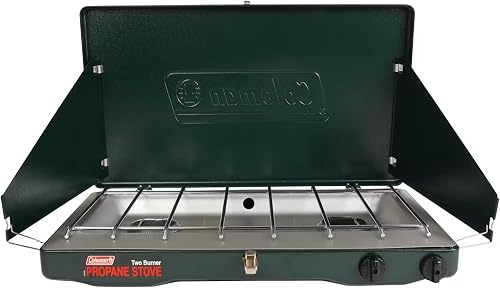
Coleman Classic 2-burner propane camp stove
Use this stove outdoors only. Never use it indoors, in a garage, or in a tent. Ready.gov and FEMA say to cook on a grill or camp stove outdoors only. Coleman's product page lists this Classic 2-burner stove (model 5430 / sku 2223621) for camping, hunting, tailgating, and other outdoor occasions, with 20,000 total BTUs and two independently adjustable burners.
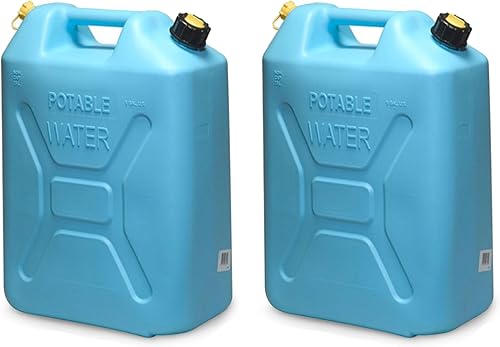
Scepter describes this 5-gallon can as rugged, BPA-free HDPE built for safe water storage. The CDC says to use clean, sanitized containers with tight covers for boiled water. See our emergency water storage container picks.
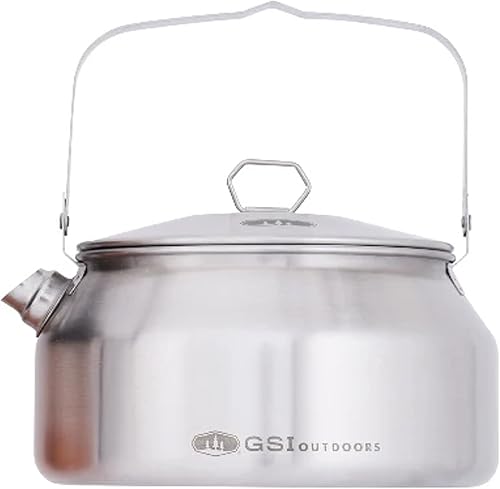
GSI Outdoors Glacier stainless 1-quart tea kettle
GSI states this 1-quart (1.0 L) stainless kettle heats over any stove or flame, with a folding handle that locks in place when boiling. Use it on a camp stove outdoors only if that is how you are boiling water during an advisory. The CDC says a full rolling boil for 1 minute, or 3 minutes at high elevation.
Checked Wednesday, Nov 18, 2026, 2:35 PM ET. No prices listed because they change daily.
FAQ
- What should I do during a boil water advisory?
- Use bottled water, or boil tap water for drinking, cooking, brushing teeth and making ice (CDC).
- How long do I need to boil the water?
- A full rolling boil for 1 minute, then let it cool. For high elevations, the CDC says 3 minutes above 6,500 feet, and the EPA says 3 minutes above 5,000 feet.
- Can I shower during a boil water notice?
- Yes, but don't swallow the water. Consider sponge baths for babies and young children (CDC).
- Can I brush my teeth or make ice with tap water?
- No. Use boiled or bottled water, and don't use fridge ice or water dispensers (CDC).
- Is a home water filter enough?
- No. The CDC says to boil tap water even if it went through a home or pitcher filter.
- Can I wash dishes or use the dishwasher?
- The CDC says dishwashers are generally safe with a sanitizing cycle or a final rinse of at least 150°F. By hand, soak rinsed dishes for at least 1 minute in 1 teaspoon of unscented bleach per gallon of warm water.
- What should I do when the advisory is lifted?
- Follow your water system's instructions for flushing your pipes, ice maker and other appliances. The CDC says to follow local officials' advice.
- Does boiling fix a "do not drink" advisory?
- No. Boiling won't make water with harmful chemicals or toxins safe. Use bottled water and follow the notice (CDC).
More outage guides: what to do during a power outage, how to store water for emergencies, how long food lasts in the fridge without power and, for long outages, how to prepare for a 90 day power outage. All of them are on our guides page. To get the next guide by email, subscribe here. How we pick and check sources is on our methodology page.
Sources
- CDC, Drinking Water Advisories: An Overview
- CDC, Boil Water Advisory (public service toolkit)
- CDC, Preventing Crypto at Home During a Boil Water Advisory
- CDC, How to Make Water Safe in an Emergency
- CDC, About Water Treatment Options When Hiking, Camping, or Traveling
- EPA, Emergency Disinfection of Drinking Water (last updated Feb. 24, 2026)
- Ready.gov, Power Outages
- Connecticut Department of Public Health, Boil Water Notice Concluded: Return to Service, Residential Consumers (template notice)
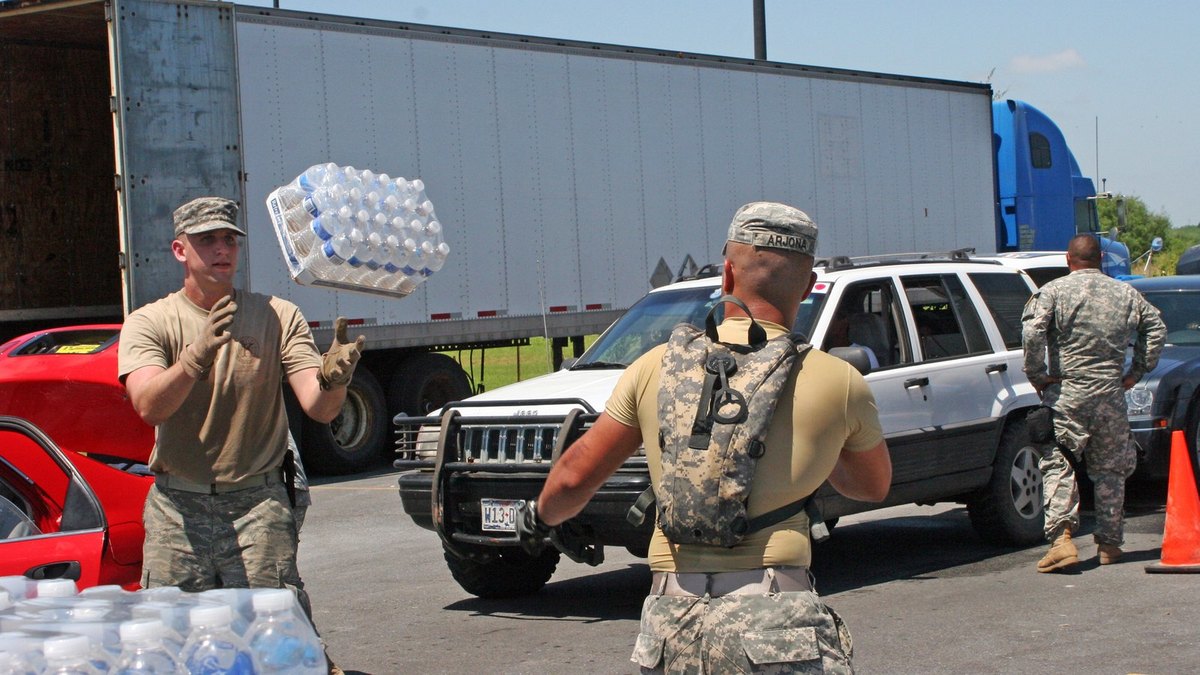
Image: Patricia Brach, FEMA (public domain).
All guidance checked Saturday, Nov 14, 2026, 12:50 AM ET.